|
One Liners 03-09-2026
|
|
History, Art and Culture
|
|
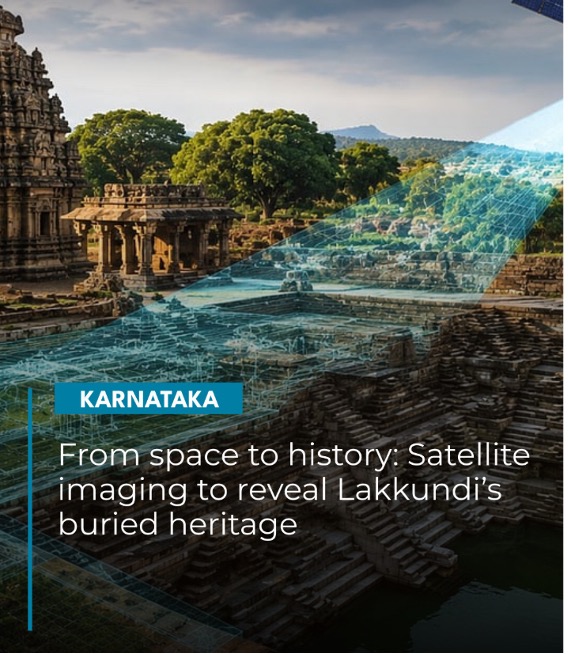
LiDAR Survey – Lakkundi’s Hidden Monuments
Department of Archaeology Museums and Heritage (DAMH) signs MoU with National Institute of Advanced Studies, Bengaluru, for LiDAR survey in Lakkundi, Gadag district.
- Objective – Locate concealed monuments, wells and temples from 10th–12th century CE obscured by vegetation.
- Technology – LiDAR, GIS Mapping, Remote Sensing, Ground Penetrating Radar (GPR), drones, photogrammetry.
- Process – NIAS to study old photos, scan area, pinpoint sites for excavation; Joint Coordination Committee to oversee.
- Significance – Supports sustainable conservation, UNESCO World Heritage Site proposal.
- Lakkundi, which was known as Lokki-Gundi in inscriptions as per records, occupies an important position in Indian architectural history.
- The monuments that have been conserved, belong to the Kalyana-Chalukya period that ruled tracts of Deccan and south India between the 10th and 12th centuries CE.
- Art historians aver that the temples exhibit a hybrid or Vesara style that is a blending of Nagara, Dravida, and Bhumija styles.
|
|
Environment
|
|
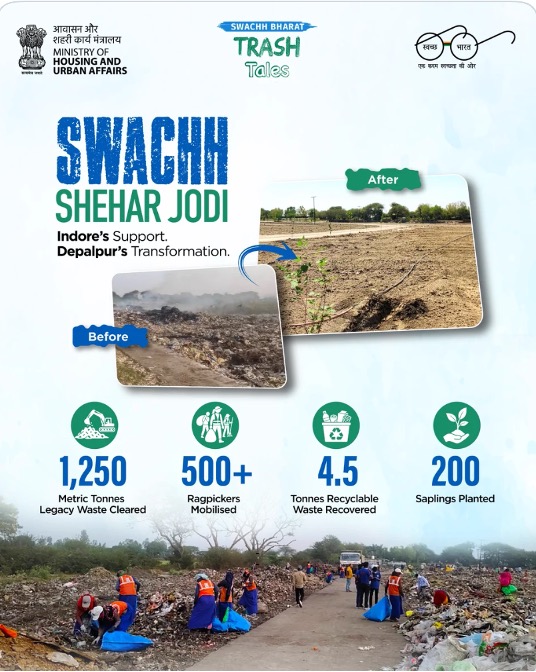
Zero Legacy Waste – Depalpur
Indore and Depalpur achieve Zero Legacy Waste under Swachh Bharat Mission‑Urban 2.0.
- System – 4‑bin segregation, 100% door‑to‑door collection, peer learning via Swachh Shehar Jodi.
- Operation – 1,250 MT legacy waste remediated; 500 ragpickers, heavy machinery mobilized.
- Outcome – 4.5 tonnes recyclables recovered; 50–60 tonnes RDF (Refuse-Derived Fuel) sent to NEPRA plant and cement factories.
- Community – Dumpsite revived with plantation (200 saplings), wall art, plastic‑free zones; celebrated with “Poha Party.”
- Impact – First city under initiative to erase dumpsite; site set for cricket, citizen programs and social gatherings.
|
|
Liocheles gracilipalpus
New Scorpion Species Found in Shivalik Hills, Reasi district, Jammu and Kashmir at 1,655 m elevation.
- Family – Belongs to Hormuridae.
- Name Origin – “Gracilis” = slender, “palpus” = pedipalp.
- Features – Long slender pedipalps; size 34.8–43.2 mm; body greyish to dark brown, lighter legs and tail.
- Sexual Dimorphism – Clear differences in pedipalp structure between males and females.
- Habitat – Beneath flat rocks, man‑made walls, wood‑storage sheds; abundant across 600–1,655 m elevation.

|
|
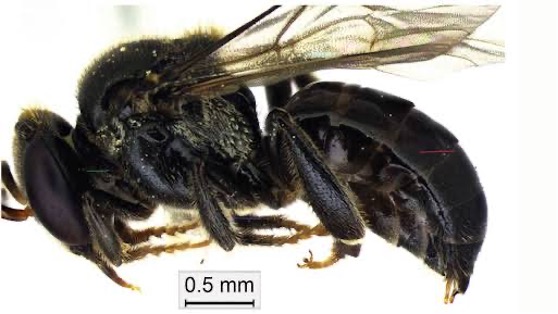
Tetragonula nagalandensis
New stingless honey bee species found in Medziphema, Nagaland; named nagalandensis as tribute to the state.
- Count – Brings India’s stingless bee species total to 19.
- Morphology – Male underside shows C‑shaped notch and sharply curved penis valve; body length 5 mm.
- Habitat – Subterranean; builds compact brood clusters under soil, protected by wax and organic layers.
- Colour/Size – Small, 5 mm, distinct reproductive anatomy for identification.
- Ecological Role – Vital pollinators for local crops and wild vegetation; crucial for biodiversity and agriculture.
|
|
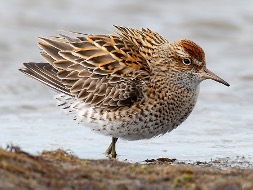
Sharp‑tailed Sandpiper
- Identification – Bold white supercilium, rufous‑streaked cap, rusty‑brown scalloped feathers, diffused breast markings.
- Origin – Breeds in northern Siberia; migrates mainly to Australia and New Zealand, rarely to India.
- Significance – Exceptionally uncommon visitor; highlights biodiversity of Delhi‑NCR wetlands.
- Conservation – Listed Vulnerable in IUCN Red List; population declined 45% in 15 years due to habitat loss.
- Ecology – Forages in coastal and inland wetlands; feeds on seeds, worms, molluscs, crustaceans and insects.
|
|
5th Edition – Swachh Sagar, Surakshit Sagar
Union Minister chairs high‑level meeting of science ministries at CSIR‑Science Centre, New Delhi.
- Campaign – Preparations for Swachh Sagar, Surakshit Sagar coastal cleanliness drive.
- Focus – Greater coordination among scientific institutions; integrate technology, public participation and inter‑departmental collaboration.
- Outreach – Digital campaigns, documentaries, infographics, success stories to showcase India’s scientific achievements.
- Significance – One of India’s largest coastal cleanliness drives; reflects science‑society partnership for environment and innovation.

|
|
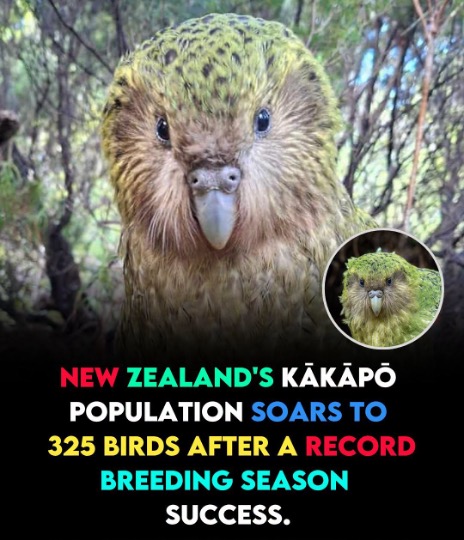
New Zealand Kākāpō Population
World’s heaviest parrot Kākāpō surges from 51 birds (1995) to 325 after record 90 chicks in 2026.
- Programme – Intensive conservation under Kākāpō Recovery Programme with predator‑free islands, genetic management and monitoring.
- Challenge – Flightless, vulnerable to cats, rats, stoats; breeds only in rimu mast years every 2–4 yrs.
- Breakthrough – Rapid DNA sex test, nest monitoring, chick care ensured survival; reduced human intervention tested in 2026.
- Habitat – Offshore islands and fenced sanctuaries; future aim to restore range including Stewart Island.
- Significance – From brink of extinction to recovery; still Critically Endangered, dependent on secure habitat and continued conservation.
|
|
Index
|
|
V‑Dem’s Democracy Index 2026
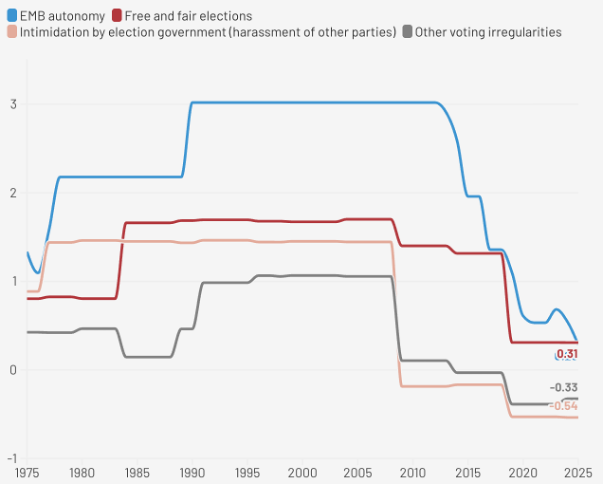
V-Dem Institute reports that India’s democracy has steadily declined since 2009, reaching lowest index score since the 1975 Emergency.
- Concerns – UN Committee on the Elimination of Racial Discrimination raised concerns over reports of human rights violations in India, including the exclusion of Muslim voters from electoral rolls.
- Trend – India noted as “autocratising” with systematic weakening of democratic institutions.
- Highlights – 50-year low in judicial accountability, Election Management Body autonomy, and public administration impartiality.
|
|
Miscellaneous
|
|
National Departmental Summit on Water 2026
Ministry of Jal Shakti hosts First Departmental Summit on at Sushma Swaraj Bhawan.
- Vision – Part of PM’s Cooperative Federalism and Water Secure India, Viksit Bharat 2047.
- Focus Areas – Timely water infrastructure projects, Jal Sanchay Jan Bhagidari–Catch the Rain, source sustainability of drinking water.
- OandM of rural supply under Jal Jeevan Mission 2.0.
- Process – Centre and States deliberate on priorities, share best practices, address challenges, agree on time‑bound actions.
- Outcomes – Accelerated project completion, enhanced public participation, sustainable sources, reliable rural services.
- Significance – Marks new model of Centre‑State collaboration, reinforcing Team India spirit for national development.

|
|
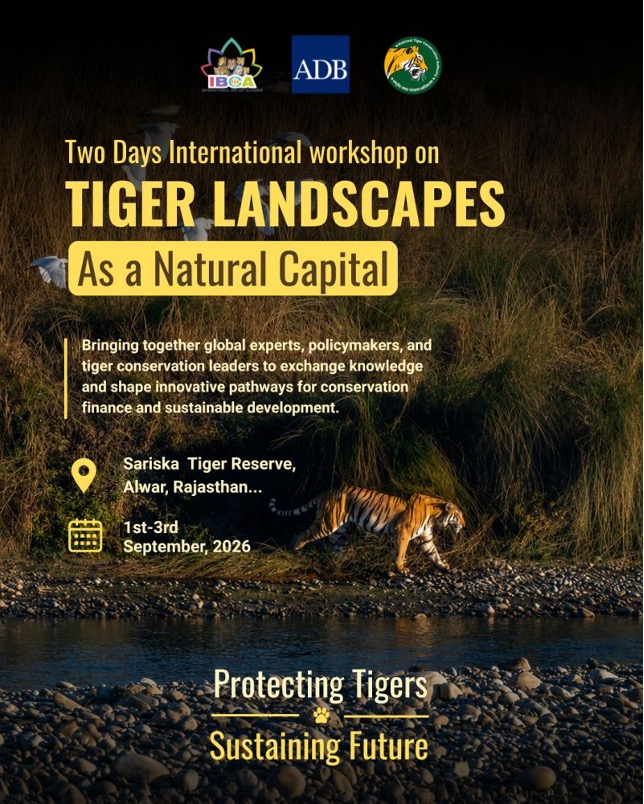
International Workshop on Tiger Landscapes
2‑day International Workshop on Tiger Landscapes inaugurated by Union Environment Minister.
- Organisers – Jointly by International Big Cat Alliance (IBCA), Asian Development Bank (ADB) and National Tiger Conservation Authority (NTCA).
- Focus – Conservation, bioeconomy and ecotourism as pillars for livelihood, income generation and ecological security.
- Highlights – MoU signed between IBCA and ADB for collaboration in landscape conservation, sustainable financing and capacity building.
- Participants – Experts and officials from MoEFCC, IBCA, NTCA, ADB, tiger‑range countries (Bangladesh, Bhutan, Cambodia, Malaysia, Nepal, Vietnam).
- Significance – Recognizes tiger landscapes as natural capital.
- Promotes integrated landscape management, community‑based ecotourism and traditional knowledge for sustainable development.
|



