Prelims: Current events of national and international relations | Art & Culture | International Organization
Why in News?
At the 20th Session of the UNESCO Intergovernmental Committee for the Safeguarding of the Intangible Cultural Heritage, Bangladesh secured recognition for the Tangail saree weaving tradition.
- Origin – Tangail district in Bangladesh.
- Craftsmanship – Handwoven using cotton or silk, often featuring intricate floral or geometric motifs.
- Features – Lightweight, soft texture, elegant borders, and vibrant colors.
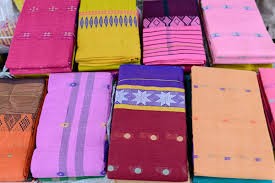
- Cultural Role – It is worn during festivals, weddings, and special occasions, symbolizing Bengali identity and artistry.
- Significance – It marks a long-standing goal for Bangladesh and provides global recognition to Tangail’s weavers, who have perfected the craft for over two centuries.
- India’s GI Tag (2024) –
- India granted a Geographical Indication (GI) tag to “Tangail Saree of Bengal” in 2024.
- Awarded to – West Bengal State Handloom Weavers Co-Operative Society Limited.
- India justified the GI by citing decades of production in West Bengal by migrant weavers from Bangladesh.
- Bangladesh criticized this, calling it an infringement of cultural heritage, since Tangail is geographically in Bangladesh.
To know about Intangible Cultural Heritage List of India, Click here
To know about India Hosts UNESCO’s 20th ICH Session, Click here
Reference
The Hindu | UNESCO’s ‘intangible heritage’ tag for Tangail saree



