0.2595
7667766266
x

Tourism in Antarctica

iasparliament Logo
June 06, 2026

Mains: GS -I – Geography | GS-III – Ecology & Environment

Why in News?

Unchecked tourism in Antarctica is rising sharply; this surge threatens the fragile ecosystem, making sustainable tourism essential to protect the continent’s future.

What are the features of Antarctica?
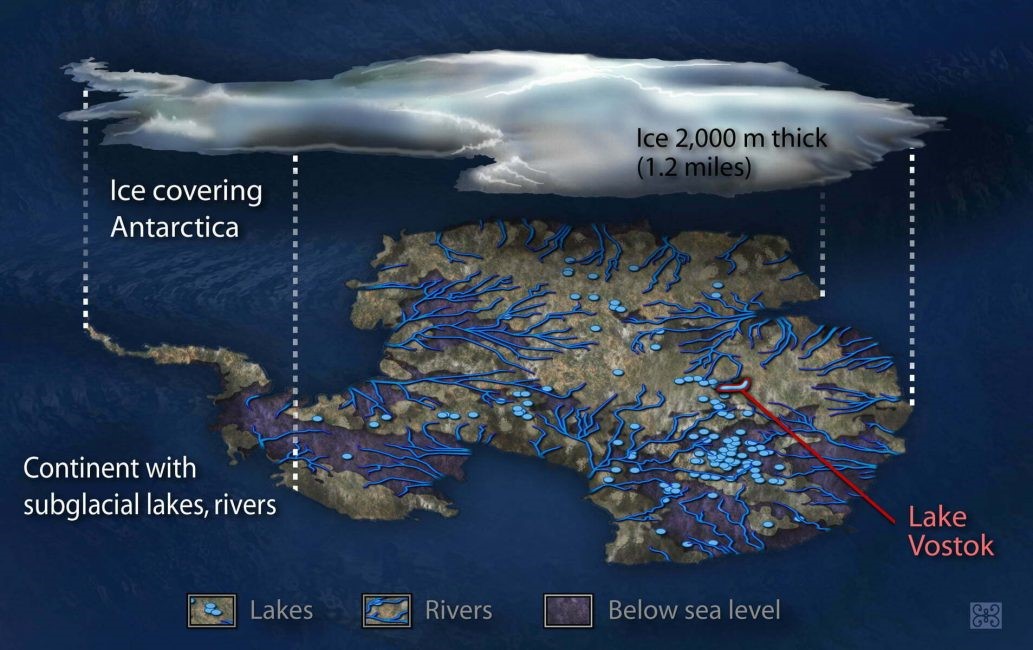
  • Antarctica – It is the coldest, windiest, and driest of all the continents on Earth.
  • Geography – It is one among the seven continents of the Earth and contains the geographic South Pole.
  • Size – It is the 5th largest continent.

Antarctica

  • Coverage – Antarctica is covered by ice sheets nearly 1.6 km thick, covering about 98% of the entire continent, and this is nearly 90% of the entire world’s ice.
  • Source of water – About 70% of the world's freshwater reserves are frozen in Antarctica.
  • Climate – Antarctica has an extremely cold, dry climate.
  • Precipitation – It is mainly a polar desert, with annual precipitation of over 200 mm, mainly in the form of snow.
  • Temperatures – It holds the record for the lowest measured temperature on Earth, −89.2 °C (−128.6 °F).
    • Near the coast – The temperature can exceed 10 °C in summer and fall to below −40 °C in winter.
    • Over the elevated inland – It can rise to about −30 °C in summer but fall below −80 °C in winter.
  • Fauna – Antarctica is best known for its charismatic penguins, seals and whales.
  • Flora – Due to the harsh cold conditions, there are no trees or shrubs.
  • Vegetation is limited mostly to primitive plants like lichens, mosses, liverworts and algae.
  • Flowering  Plants – Antarctic hair grass (Deschampsia antarctica) & Antarctic pearlwort (Colobanthus quitensis).
  • Population – Antarctica has no indigenous or permanent human residents.
  • However, between 1,000 and 5,000 scientists and support staff live seasonally across various international research stations, such as India's Bharati Station and the American McMurdo Station.

To know about Antarctic Greening, click here

What about the status of tourism to Antarctica?

  • Governance Framework – Antarctica does not belong to any sovereign nation, but is a space governed by the 1959 Antarctic Treaty.
  • Antarctic Treaty – Declares Antarctica as a neutral, demilitarised zone meant for peaceful scientific research.
  • Tourism Guidelines – In 1991, the International Association of Antarctica Tour Operators was set up so that the tourism industry had functional guidelines.
  • Rules & Regulations – Most major cruise lines and travel operators to Antarctica are now part of this voluntary consortium, which has strict rules about
    • The size of cruise ships,
    • The number of people that can be on any landing site at a time,
    • Biosecurity measures to prevent the spread of invasive species and diseases, and
    • Guidelines for wildlife watching.
  • Growth of Tourism – Commercial tourism to Antarctica started only in 1966 by an American entrepreneur, who took 57 travellers on a cruise.
  • Visitor Numbers – Towards the turn of the 21st century, fewer than 8,000 people visited Antarctica each year, while in the 2023-24 season, the continent received 1,25,000 tourists.
  • Future Projection – And predictions show that if left unchecked, tourist numbers could reach half a million by 2033.
  • Fragile Landscape – The numbers may look small compared to other destinations, but Antarctica’s ecosystem is extremely fragile, making even modest tourism growth alarming.
  • Key Drivers – The reasons for this rapid increase are multifold, starting from the collective
    • Post-COVID appetite for travel
    • Social media influences the “bucket lists” promoted by influencers.
  • Last Chance Tourism – A darker trend where travellers rush to visit Antarctica out of fear it may disappear in the near future due to climate change.
  • Driven mainly by wealthy, frequent travellers who want to experience it before it’s gone.
  • Overall Experience – The combination of untouched nature, wilderness, wildlife, and remoteness makes Antarctica a rare and powerful destination, leaving travellers with lasting impressions.

Why is it important to protect Antarctica?

  • Climate Regulation – The vast ice sheet regulates the Earth's temperature by reflecting sunlight back into space and driving global ocean currents.
  • Sea-Level Control – Antarctica holds about 90% of the world's fresh water.
  • If this ice were to melt completely, global sea levels would rise by nearly 230 feet, devastating coastal regions worldwide.
  • Scientific Importance – It is vital for climate research and understanding Earth’s systems, which serves as a natural laboratory for studying global warming, ice dynamics, and biodiversity.
  • Fragile Marine Biodiversity – The surrounding Southern Ocean supports a unique and complex food web, including krill, penguins, whales, and seals.
  • Peace and Shared Stewardship – It is governed by the Antarctic Treaty; the continent is preserved as a demilitarised zone dedicated exclusively to peace and science.

What are the impacts to Antarctic due to tourism?

  • Wildlife Disturbance – The more tourist presence alters penguin reproductive and social behaviour & stress seals, whales, and birds.
  • Habitat & Site Damage – The foot traffic erodes fragile soils and vegetation; invasive species risk from seeds, microbes, or diseases carried by tourists.
  • Pollution Risks – The large cruise ships pose danger of oil or fuel spills, waste management challenges, etc.
  • Carbon Footprint – Travel to Antarctica requires long-haul flights and fuel-intensive ships, which adds significantly to global emissions, worsening climate change.
  • Climate Change Link – The reduction of sea ice and warmer conditions open new areas for tourism, extending the season; this will increase the human footprint in previously untouched regions.

What needs to be done?

  • Global Cooperation – Antarctica is protected through scientific research, conservation policies, and strict international agreements with an aim to preserve its fragile ecosystem and scientific value.
  • Sustainable Tourism – Allowing travellers to witness the continent’s beauty and fragility first-hand helps foster a deeper appreciation for Antarctica and strengthens global support for its protection.
  • Responsible Travel Practices – Travel with companies that are committed to the principles of conservation and sustainability, while also supporting scientific research in the region.
  • There are a handful of these, plying smaller ships with fewer passengers and multiple experts onboard.
  • Focus on Education – Education is a big part of the planning process - People often imagine it as a luxury cruise, but in reality, it is much more about discovery and learning about the environment.

References

  1. The Hindu | At the end of the world in Antarctica
  2. National Geography | Antarctica
Login or Register to Post Comments
There are no reviews yet. Be the first one to review.

ARCHIVES

MONTH/YEARWISE ARCHIVES

sidetext
Free UPSC Interview Guidance Programme
sidetext