Why in News?
The extent of vegetation in the Antarctic Peninsula has increased 14 times in just 35 years.
What is the Antarctic Ecosystem?
- Antarctica - It is the coldest, windiest, and driest of all the continents on Earth.
- Antarctic Desert - It is a desert with an average annual precipitation of just 166mm along the coastal regions, and even less in inland.
- Average temperature
- In the interior - About -57°C, with the minimum temperature being -90°C during the winter season.
- Coastal Temperature - Maximum of between -2°C and 8°C during the summer.
- Ice Cap Climate - With such cold conditions the snow hardly ever melts and mostly become compressed over time to form part of the ice sheet.
- Antarctic Ice Sheet - It is, on average, 1.6 km thick covering about 98% of the entire continent and this is nearly 90% of the entire world’s ice.
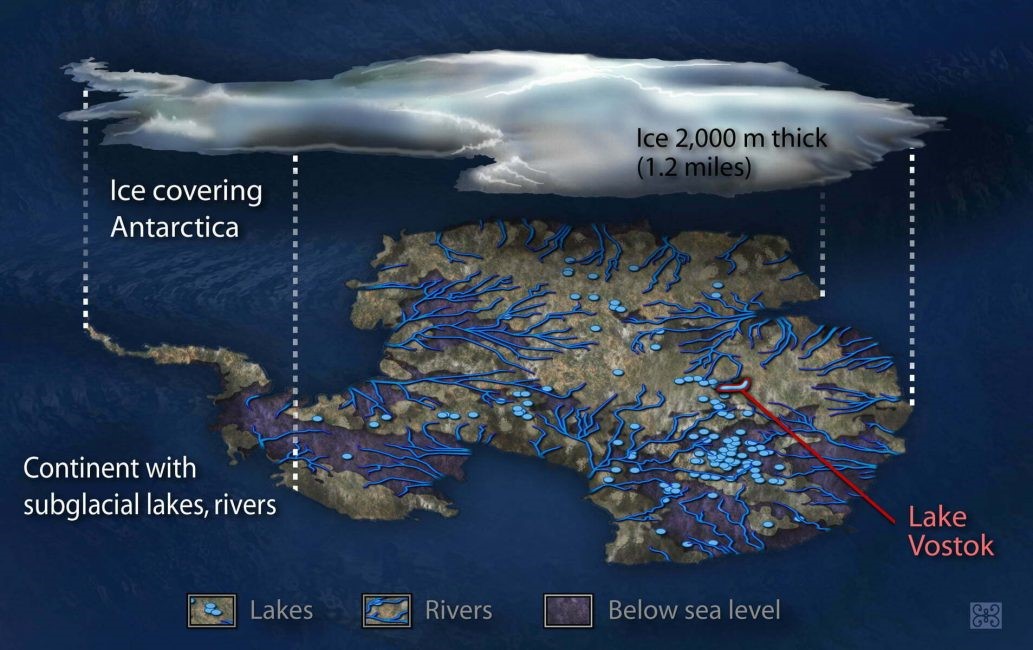
One can suffer serious sunburn whilst there as the snow acts as a reflector which reflects nearly all the ultraviolet rays.
- Antarctic Fauna - Antarctica is best known for its charismatic penguins, seals and whales.
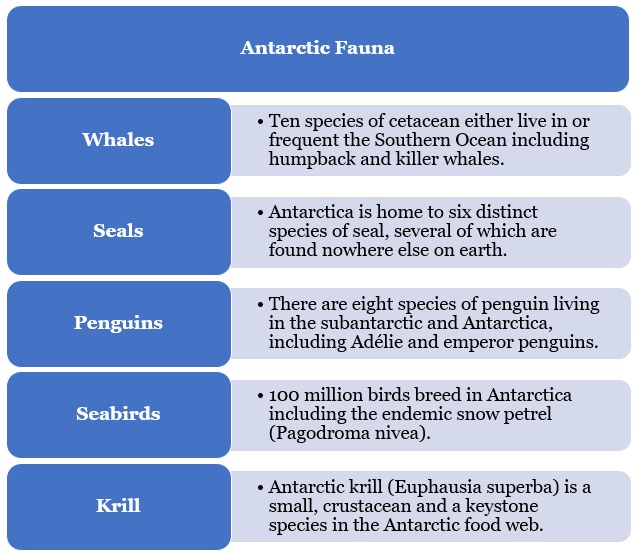
- Antarctic Vegetation - The majority of Antarctica’s plant life is made up of hardy, primitive plants like mosses, liverworts and lichens.
Mosses are small, non-vascular flowerless plants and Lichen is a hybrid colony of algae or cyanobacteria living symbiotically among filaments of multiple fungi species.
- Antarctic Plants - While there are no trees or shrubs in Antarctica, there are two flowering plants Antarctic hair grass (Deschampsia antarctica) and Antarctic pearlwort (Colobanthus quitensis).
- Microscopic insect - Antarctic micro-forests offer shelter to over 60 species of microscopic insect-like creatures including springtails, rotifers, nematodes and tardigrades.
How quickly is Antarctica warming?
- Antarctica Warming - It is warming twice as fast as the global average, at a rate of between 0.22 degrees Celsius and 0.32 degrees Celsius per decade currently.
Intergovernmental Panel on Climate Change (IPCC) has estimated that the Earth as a whole is warming at the rate of 0.14-0.18 degrees Celsius per decade.
- Antarctic Peninsula Warming - It is warming five times faster than the global average and is now almost 3 degrees Celsius warmer on average than in 1950.
- Antarctic Heatwaves - Antarctica has also been experiencing record-breaking heatwaves, especially during the height of its winter season (which is summer in the northern hemisphere).
- Recent Trend - In July this year, ground temperatures in parts of the continent were around 10 degrees Celsius higher than normal, and up to 28 degrees higher on certain days.
- Impact - Rising temperatures in Antarctica have also resulted in a rapid decrease in the extent of sea ice ,the 2024 extent was the second smallest of the satellite record.
In March 2022, Antarctica experienced its most intense heatwave — temperatures in East Antarctica soared to 39 degrees Celsius above normal.
What is Antarctic Greening?
- Antarctic Greening - Plant cover across the Antarctic Peninsula has increased more than 10 times over the past few decades due to rising temperatures.
- The rate of greening has increased by more than 30% between 2016 and 2021.
- Type of Greening - Vascular plants native to the area and the moss plants in the peninsula are expanding.
Antarctic Peninsula is the long, mountainous extension of Antarctica that points north towards South America.
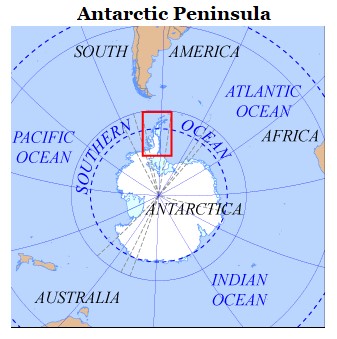
- In the area surrounding Robert Island—recognised for its vegetation and significant greening trends—researchers observed an 18.7% increase in vegetated area between 2013 and 2016.
- Causes of Antarctic Greening
- Increasing Temperature - Ground temperatures in the region have averaged 10 degrees Celsius higher than normal since mid-July this year, with some days reaching temperatures up to 28 degrees higher.
- Decrease in sea ice - Melting ice and warmer temperatures due to global warming in Antarctica creates more favourable conditions for plant growth.
- Acceleration in vegetation from 2016 to 2021 coincided with a marked decrease in sea ice extent during the same period.
- Climate Change - Warmer open seas lead to wetter conditions that favour plant growth.
What are the impacts of increased vegetation in Antarctica?
- Landscape Change – Antarctic landscape remains largely composed of snow, ice, and rock and Soil in Antarctica is mostly poor or non-existent.
- The growth of moss plants in the peninsula is of high concern as mosses can colonise bare rock and add organic matter facilitate soil formation and change Antarctic’s landscape.
- Invasive Species – Newly created soils could in milder conditions make the continent more favourable for the growth of other invasive species that could threaten native biodiversity and endemic species.
- Reduce Albedo - Increase in plant life could also reduce the Antarctic Peninsula’s ability to reflect sunlight (solar energy) back to Space, as a darker surface absorbs more solar radiation.
- Increased Ground Temperature – Decreased albedo could further increase ground temperatures, with local and global repercussions.
- Ice Loss - Rising temperatures will exacerbate the loss of ice, and raise global sea levels.
Antarctica has already lost 280% more ice mass in the 2000s and 2010s than it lost in the 1980s and 1990s.
References
- The Indian Express | Antarctic Greening
- ASOC | Life in Antarctica