Mains: GS II – Indian and its Neighborhood
Recently, the remarks by Nepal’s Prime Minister, have opened the possibility of a more pragmatic and constructive approach towards resolving long-standing differences.
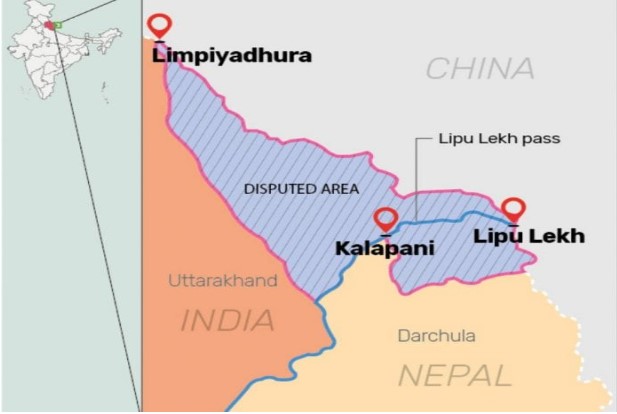
What are the ethical dimensions involved?
- Respect for Sovereignty and Territorial Integrity – Both India and Nepal have a moral obligation to respect each other's sovereignty and legitimate territorial concerns.
- Ethical diplomacy requires avoiding coercion, unilateral actions, or disregard for the concerns of a smaller neighbour.
- Trust and Good Faith in International Relations – Long-standing bilateral relations depend on honesty, transparency, and good-faith negotiations.
- Unilateral publication of maps or infrastructure development in disputed areas can weaken trust.
- Balancing National Interest with Regional Cooperation – Every government must protect national interests, but excessive nationalism can hinder peaceful solutions.
- Ethical leadership requires balancing patriotism with regional stability and collective welfare.
- Justice and Fairness – Both countries interpret historical documents differently.
- Ethical resolution demands impartial examination of historical evidence rather than selective use of facts.
- Responsibility Towards Border Communities – People living near the disputed region may face uncertainty regarding administration, development, and public services.
- Governments have a moral responsibility to ensure that citizens' welfare is not sacrificed for geopolitical rivalry.
- Peaceful Conflict Resolution – As friendly neighbours with deep cultural ties, both nations have an ethical duty to resolve disputes through dialogue rather than confrontation.
- Ethical Leadership and Political Courage – Political leaders often face domestic nationalist pressures.
- Ethical leadership requires taking difficult but constructive decisions that promote long-term peace rather than short-term political gains.
- Shared Cultural and Civilizational Responsibility – India and Nepal share deep religious, cultural, and people-to-people links.
- Ethical governance requires preserving these bonds and preventing territorial disagreements from damaging social harmony.
- Intergenerational Responsibility – Failure to resolve disputes may pass tensions to future generations.
- Leaders have an ethical duty to leave behind peaceful and cooperative regional relationships.
The Hindu| India-Nepal Relations