Prelims: Current events of national and international importance | Environment
Why in News?
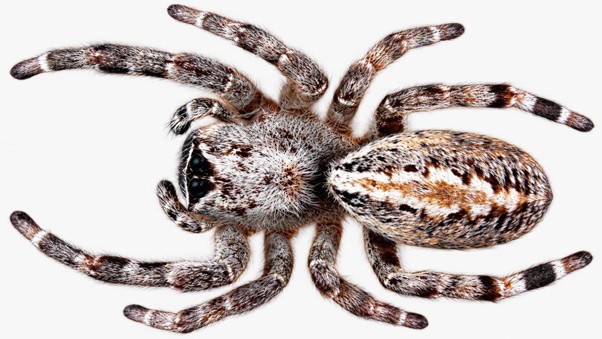
Indian researchers have produced the first comprehensive molecular and functional profile of the venom gland of the colonial spider Stegodyphus sarasinorum, indicating anti-cancer drug potential.
Key Highlights of the Study
- Researchers combined transcriptomics, proteomics, metabolomics and Confocal Raman spectroscopy to map the molecular composition and spatial distribution of biomolecules in the venom gland.
- 31 Protein Components - Transcriptomic analysis identified 31 annotated protein components, including venom-associated and non-venom proteins.
- 32 Proteins Identified - Proteomic analysis independently identified 32 proteins in the venom gland.
- 81 Metabolites - UHPLC–Mass Spectrometry identified 81 metabolites, including amino acids, biogenic amines, nucleotides, nucleosides, quaternary amines and organic acids.
- Anti-Cancer Potential - Venom-gland extracts showed dose-dependent cytotoxicity against Dalton's lymphoma ascites (DLA) cells in laboratory experiments.
- Antimicrobial Potential - Certain venom peptides, including U12 and U20 lycotoxins, are of interest because of their ability to disrupt cellular membranes, making them potential templates for antimicrobial and anticancer research.
- Hemocyanin Proteins - The study also identified hemocyanin proteins, which have attracted interest because of their immune-modulating and potential cancer-immunotherapy relevance.
- Antioxidant Activity - The venom gland showed radical-scavenging activity in assays involving DPPH, ABTS, hydrogen peroxide and hydroxyl radicals, indicating potential antioxidant applications.
About Stegodyphus sarasinorum
- Social Spider - Unlike most spiders, which are solitary, S. sarasinorum lives in large, permanent colonies and cooperatively captures and feeds on prey.
- Indian Cooperative Spider - It is also known as the Indian cooperative spider.
- Family – Eresidae, commonly associated with velvet/social spiders.
- The World Spider Catalog recognises S. sarasinorum as an accepted species.
- Distribution - Its recorded distribution includes Pakistan, India, Sri Lanka, Nepal and Myanmar.
- Habitat - It occurs particularly in dry, shrubby and seasonal habitats, with communal silk nests often constructed on shrubs and trees.
- Cooperative Behaviour - Members of the colony cooperate in prey capture, feeding and brood care.
Reference
The Hindu | Stegodyphus sarasinorum



