- Right to equality- The Constitution guarantees that women have the same rights as men, and prohibits discrimination on the grounds of sex. This means that women have the right to equal pay for equal work, and are entitled to the same opportunities for education, employment, and property ownership as men.
- Right to education- Women have the right to education and the state is directed to make efforts to provide free and compulsory education to children up to the age of 14.
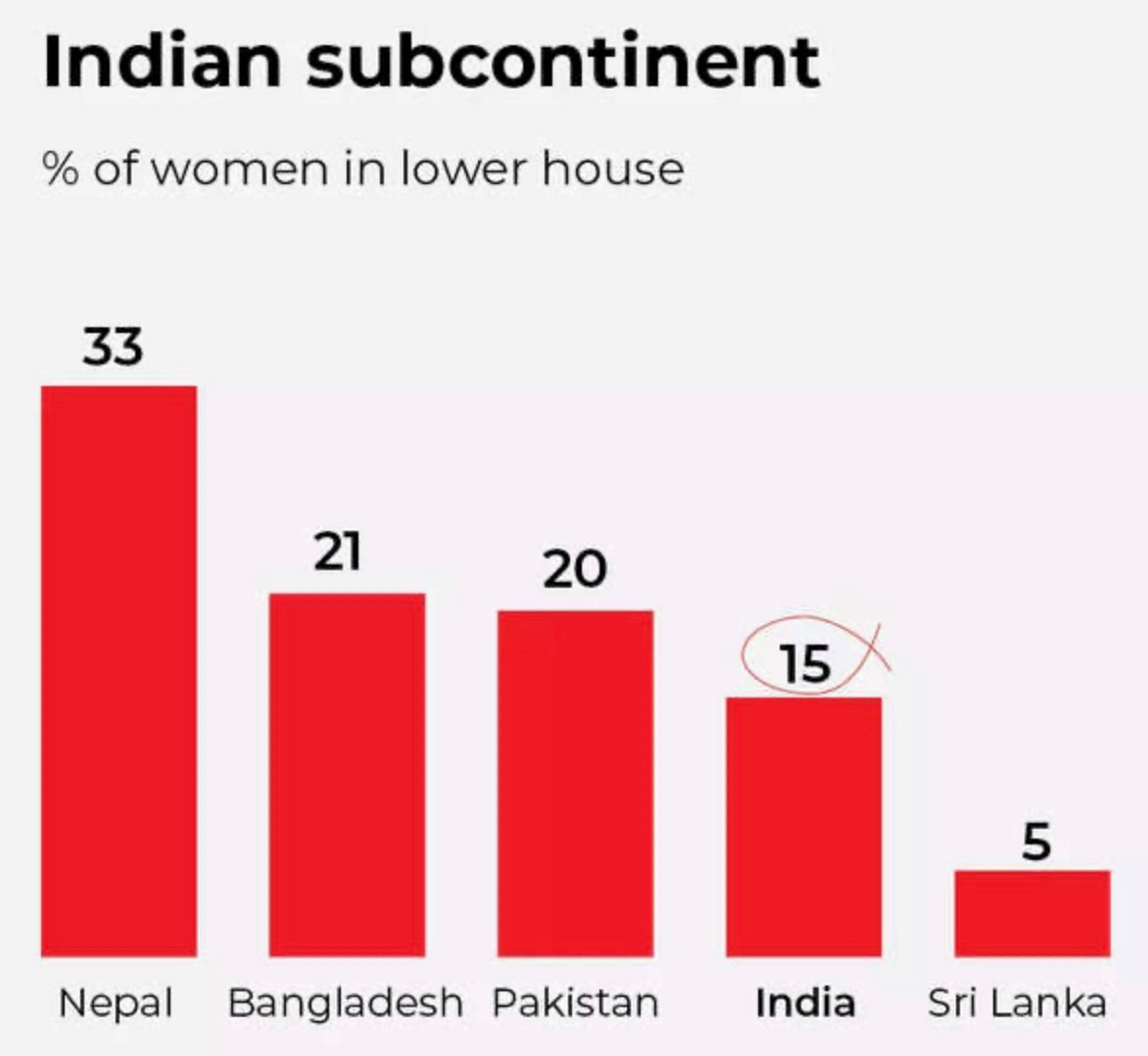
- Right to vote: Women have the right to vote and participate in the political process, and are entitled to be represented in the government.
- Right to property: Women have the right to own and inherit property, and are protected against discriminatory inheritance laws.
- Right to work-Women have the right to work and choose their occupation, and are entitled to equal pay and working conditions as men.
- Right to be protected against domestic violence: Indian law provides for the protection of women from domestic violence, and the government is required to take measures to protect women from such violence.
- Right to constitutional remedies: Women have the right to seek remedies for any violation of their rights through the courts, and can challenge any discriminatory laws or practices.
- Special provisions for women in the Constitution: Article 15(3) of the Indian Constitution allows the state to make any special provisions for the advancement of any socially and educationally backward classes of citizens or for the Scheduled Castes and Scheduled Tribes.
- Article 15(4)- It allows the state to make special provisions for women and children
- Right to Maternity Relief- Women are entitled to Maternity Relief under the Maternity Benefit Act, of 1961.
- Right to live with dignity- The Constitution guarantees the right to live with dignity and freedom from exploitation to all citizens, including women.
|