|
One Liners 31-03-2026
|
|
History, Art and Culture
|
|
Abhilekh Patal Portal
- It is a digital archival platform which serves as a gateway to India’s historical legacy.
- Developed by – National Archives of India (NAI) under Ministry of Culture.
- Meaning – Abhilekh (records of ancient times) and Patal (platform), and also stands for Portal for Access to Archives & Learning.
- Objectives – To digitally preserve and provide easy access to India’s archival heritage.
- To make records easily accessible worldwide
- To help researchers, students, and learners explore India’s history through original documents
|
|
Geography
|
|
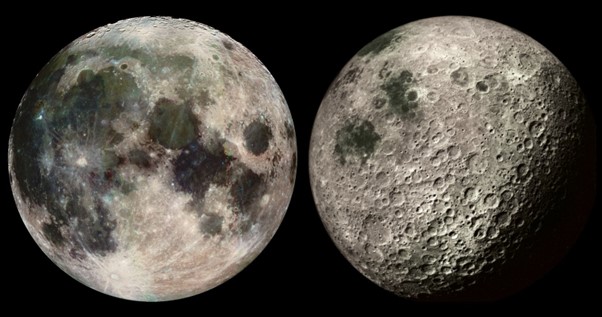
Moon
|
|
International Relations and Issues
|
|
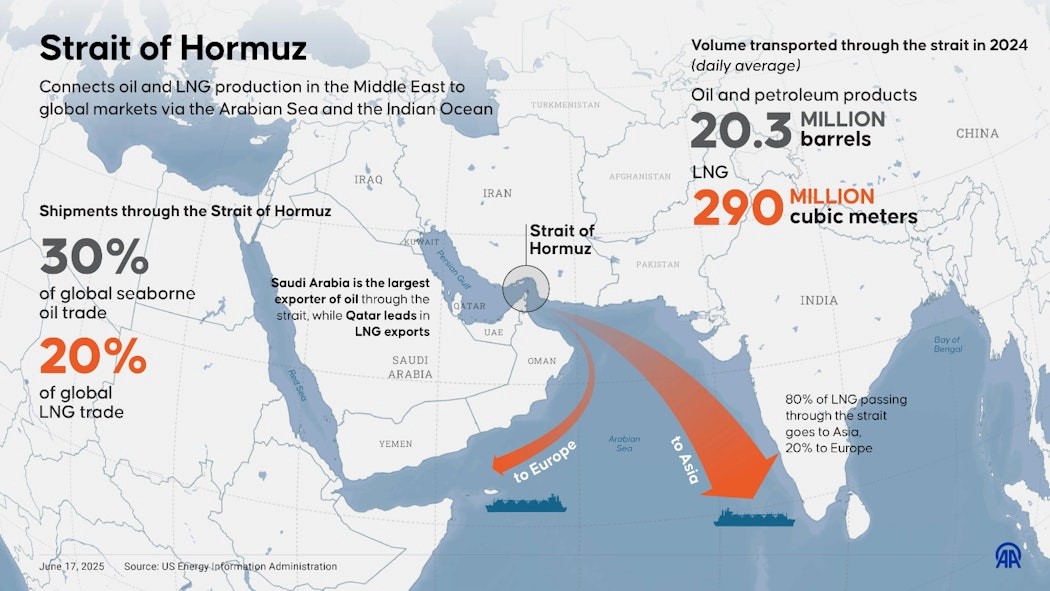
Strait of Hormuz
Two Indian LPG carriers (BW Tyr & BW Elm) crossed theStrait of Hormuz amidtensions in West Asia, alongside a Pakistan-bound oil tanker.
- Location – A strategic, narrow waterway connects the Persian Gulf to the Gulf of Oman and the Arabian Sea.
- Bordered by – Iran to the north and Oman/UAE to the south, making it one of the world’s most critical oil transit chokepoints.
- Trade – Approximately 20–25% of global oil trade passes through this strait, making it vital for global energy security.
|
|
India’s Energy Dependence
- Crude Oil Dependence
- India imports ~85% of its crude oil.
- Major suppliers – Saudi Arabia, UAE, and Qatar.
- Strategic Vulnerability
- Disruptions in the Strait of Hormuz directly affect supply.
- Consequences – Higher fuel prices, inflationary pressures, and widening current account deficit.
- LPG Significance
- LPG is essential for household energy needs.
- Critical for welfare programs like Pradhan Mantri Ujjwala Yojana, which provides clean cooking fuel to low-income families.
|
|
Economy
|
|
MoU for Multilingual Pension Services
- MoU between – Digital India BHASHINI Division (DIBD) under MeitY and Pension Fund Regulatory and Development Authority (PFRDA).
- Aim – To overcome language barriers, reach first-time savers, and expand financial inclusion.
- Key Points – Integration of BHASHINI translation APIs, multilingual AI models, and voice-enabled technologies into PFRDA systems.
- Support for all 22 languages in the 8th Schedule of the Constitution, ensuring inclusivity for pension subscribers.
|
|
Agriculture
|
|
Licensed Cultivation of Opium in India
Specific regions in Madhya Pradesh (Malwa) and Rajasthan (Mewar) engage in legal opium cultivation regulated by stringent government licensing.
- Location – Approximately 85% of India’s legal opium production originates from districts such as Mandsaur, Neemuch, Ratlam, and Chittorgarh.
- Controlled by – Central Bureau of Narcotics (CBN) under the Ministry of Finance.
- Farmers requirement – Annual licences and must meet Minimum Qualifying Yield (MQY) norms.
- Two types of cultivation – Opium gum extraction and Concentrate of Poppy Straw (CPS) system.
|
|
Rise in Sugarcane Arrears
Parliamentary panel flagged a 32-fold increase in sugarcane arrears.
- Sugarcane Pricing Framework
- Governed by – Fair and Remunerative Price (FRP) set by the Centre and State Advised Price (SAP) set by the states.
- Mills is legally required to pay farmers within 14 days of procurement.
- Causes of Rising Arrears
- Excess sugar production (~300–330 million tonnes) – It creates a supply glut, leading to lower market prices and reduced mill profitability, which in turn delays payments to farmers.
- Ethanol blending diversion – It remains insufficient to absorb surplus.
- External factors – Fall in exports, global price fluctuations, policy delays.
|
|
Environment
|
|
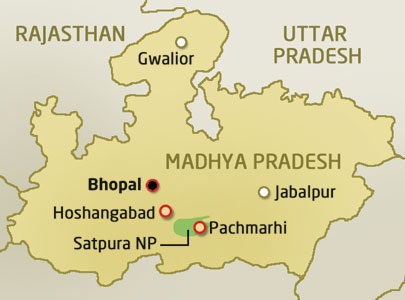
Satpura Tiger Reserve
A female tiger was poisoned to death near Satpura Tiger Reserve with 5 arrests made in connection to the case.
- Located in – Madhya Pradesh, part of the Satpura–Maikal landscape, known for rich biodiversity.
- Comprises of – Satpura National Park, Bori Wildlife Sanctuary, and Pachmarhi Sanctuary.
- Protected under – Wildlife Protection Act, 1972, which prohibits hunting and trade of endangered species like tigers (Schedule I species).
- India’s tiger conservation is guided by Project Tiger (1973) and managed by the National Tiger Conservation Authority (NTCA).
|
|
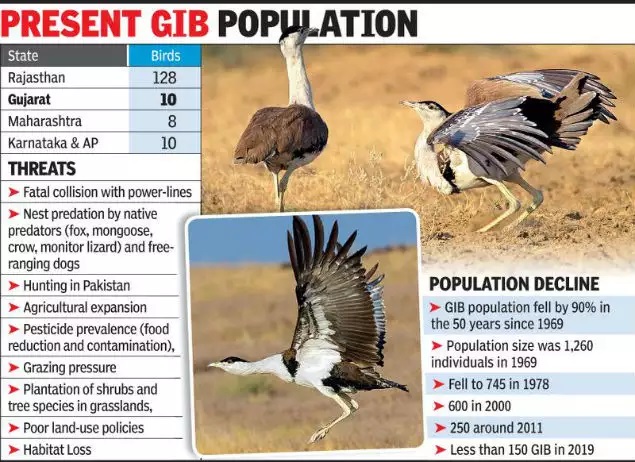
Great Indian Bustard
|
|
Science
|
|
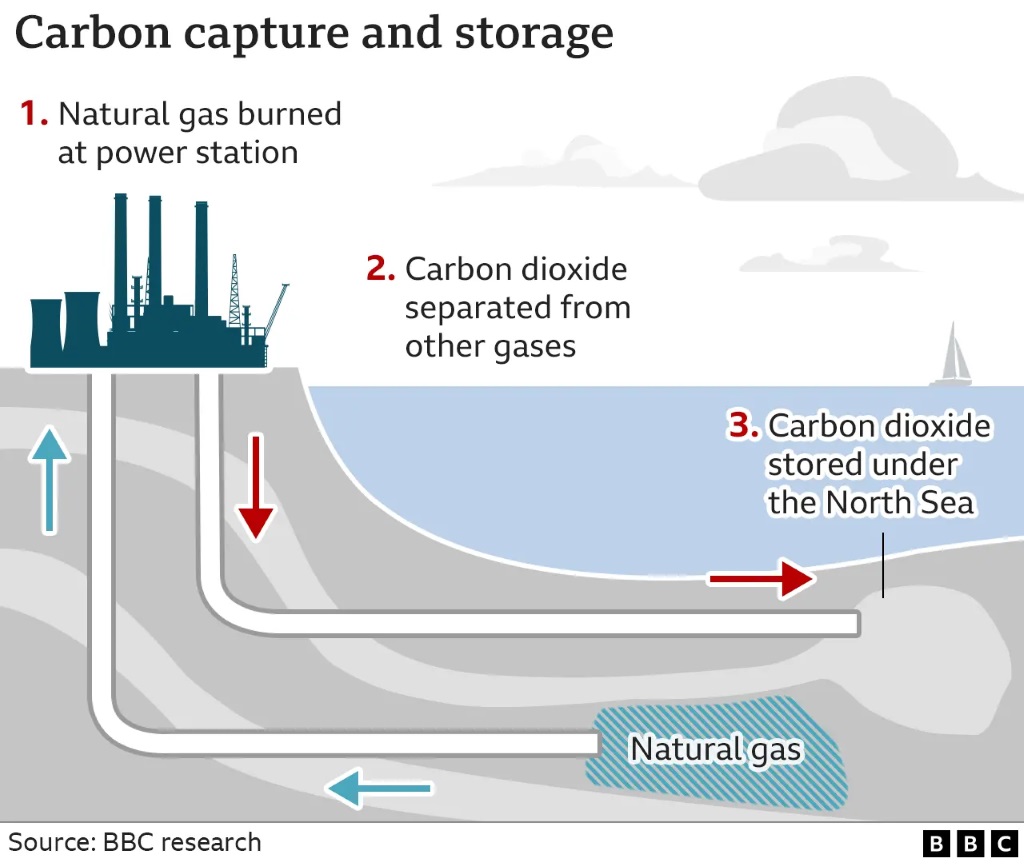
Carbon Capture using Basalt Rocks
Scientists in Saudi Arabia (Jizan region) demonstrated a new method of injecting CO₂ into basalt rocks using recirculated water.
- Carbon Capture via Basalt
- Basalt rocks react with CO₂ to form stable carbonate minerals.
- Ensures permanent storage of captured carbon.
- Water Efficiency
- Use of recirculating water systems drastically reduces consumption.
- More sustainable compared to conventional CCS (Carbon Capture & Storage) methods.
- Rapid Mineralisation
- Demonstrates feasibility of mineralisation within months.
- A major improvement over traditional processes that take decades.
|