What is the issue?
A political row erupted after a clip of Delhi minister Rajendra Gautam attended a mass conversion gathering where people took the 22 vows.
How did the Buddhist Conversion Day evolve?
- In 1935, Ambedkar, as president of the ‘Yeola Conversion Conference’ near Nasik, announced his decision to renounce Hinduism to contest the Hindu caste order.
- He advised the members from the depressed castes to leave Hinduism and embrace another religion.
- After 2 decades, he reached a conclusion that Buddhism is an appropriate choice as
- It had challenged the Brahmanical caste-based social hierarchies in the past
- It focused on modern ethical values and a scientific temperament
- It preached peace and compassion for social coexistence
- Under the presence of monk Chandramani, Ambedkar and his wife took the Buddhist vows and embraced Buddhism at Nagpur’s Deekshabhoomi.
- He then recited the three jewels (Trisharan), five precepts (Panchsheel), pronounced the self-crafted 22 vows and renounced Hinduism.
- The event is marked as the renaissance of Buddhism in India.
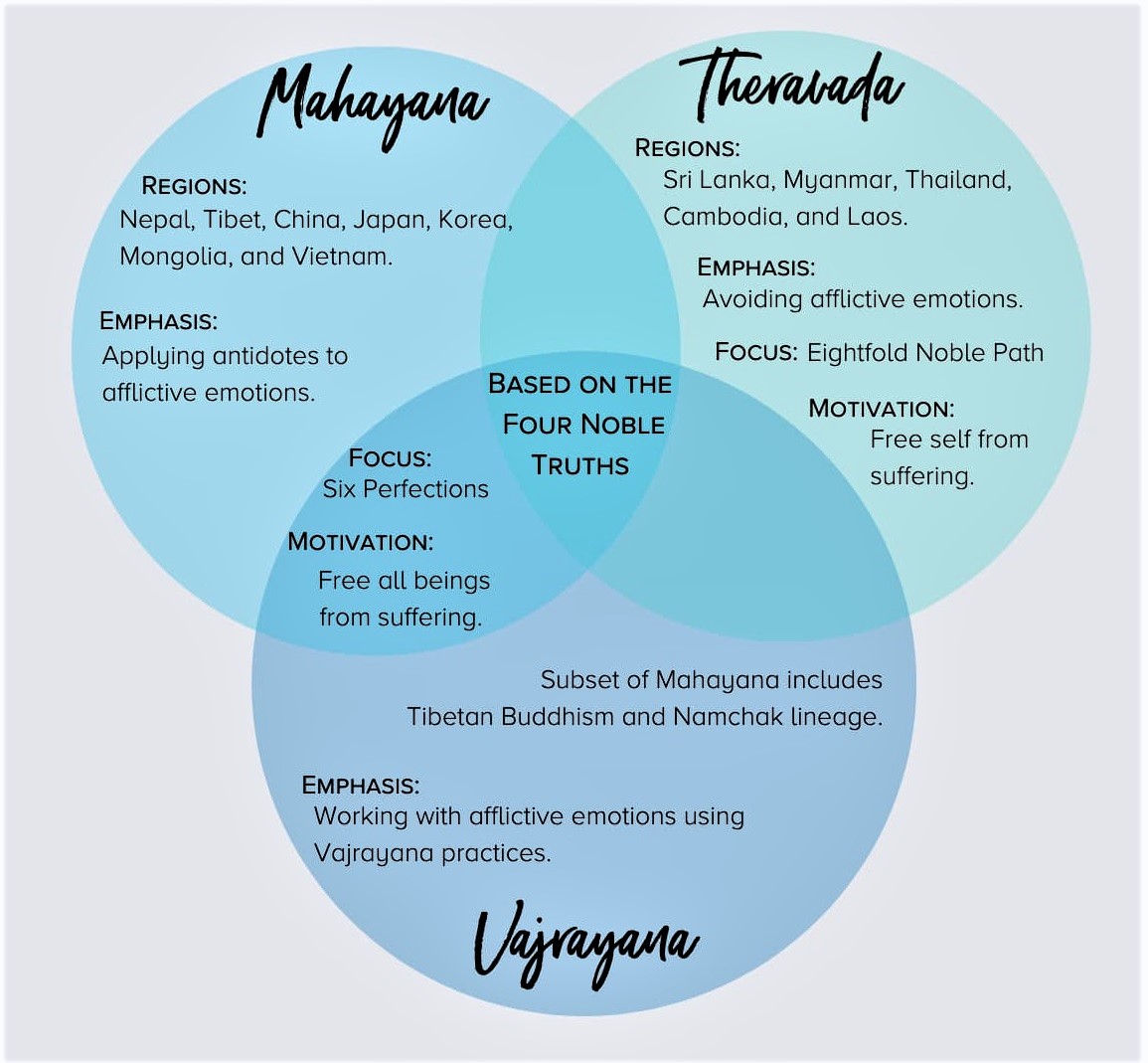
- Ambedkar called his version of Buddhism Navayana (followers are called neo-Buddhists), differentiating it with the Mahayana and Vajrayana traditions of Buddhism.
What is the present controversy about?
The Buddhist population in India is a mere 0.70%, of which 87% are neo-Buddhists. Around 80% of it reside in Maharashtra.
- Every year, Dussehra is also celebrated as Ashoka Vijaya Dashami to commemorate Buddhist Conversion day.
- Recently, Rajendra Pal Gautam, a Minister in the Aam Aadmi government, participated in a public meeting organized to commemorate Buddhist Conversion Day in his personal capacity.
- Along with the thousands of people assembled, he recited the 22 vows, which is part of the ritual.
- The ruling party accused Mr. Gautam of spreading anti-Hindu sentiments and sought the resignation of Chief Minister Arvind Kejriwal.
- Mr. Gautam resigned from his post following the uproar.
Why are the 22 vows controversial?
- The 22 vows refer to a list of pledges Ambedkar had prescribed to his followers after converting from Hinduism to Buddhism on 14 October, 1956 in Nagpur.
- The vows are divided into three major sections.
- First part- It pledges to refuse to worship the Hindu pantheon or to follow Hindu religious dogmas (vows no. 1, 2, 3, 5 and 21).
- Second part- It challenges the authority of the Brahmin priest (vows no. 4, 6, 8 and 19).
- Third part- The rest promises to follow Buddhist principles.
How about Ambedkar as a revolutionary social reformer?
- Caste- Ambedkar’s writings on social questions offer intellectual and critical inquiry about the problems of an exploitative Hindu caste order.
- He wanted to liberate socially marginalised communities from the stranglehold of caste.
- Untouchability- He wanted to end the inhuman practice of untouchability.
- Religion- His academic work is well-known for the scrutiny of Hindu philosophical texts.
References
- https://www.thehindu.com/news/national/explained-the-ashoka-vijaya-dashami-controversy/article65998519.ece?homepage=true
- https://theprint.in/india/what-are-the-22-vows-of-br-ambedkar-at-the-centre-of-bjp-aap-conversion-controversy/1160856/
Quick facts
The Philosophy of Buddhism
- Three Jewels-There are three cornerstones of Buddhism.
- Buddha
- Dharma- teaching of the Buddha
- Sangha- community who follow the teaching
- Five Precepts- These are the basic ethical guidelines for the followers of the philosophy.
- To abstain from taking life
- To abstain from taking what is not given
- To abstain from sensuous misconduct
- To abstain from false speech
- To abstain from intoxicants as tending to cloud the mind
- The Four Noble Truths- They are the foundational tenets of Buddhism, which spark awareness of suffering.
- The truth of suffering
- The truth of the cause of suffering
- The truth of the end of suffering
- The truth of the path that leads to the end of suffering
- The Eightfold Path- It is at the heart of the middle way and encourages us to seek the simple approach.
- Right Understanding
- Right Intent
- Right Speech
- Right Action
- Right Livelihood
- Right Effort
- Right Mindfulness
- Right Concentration



