Why in News?
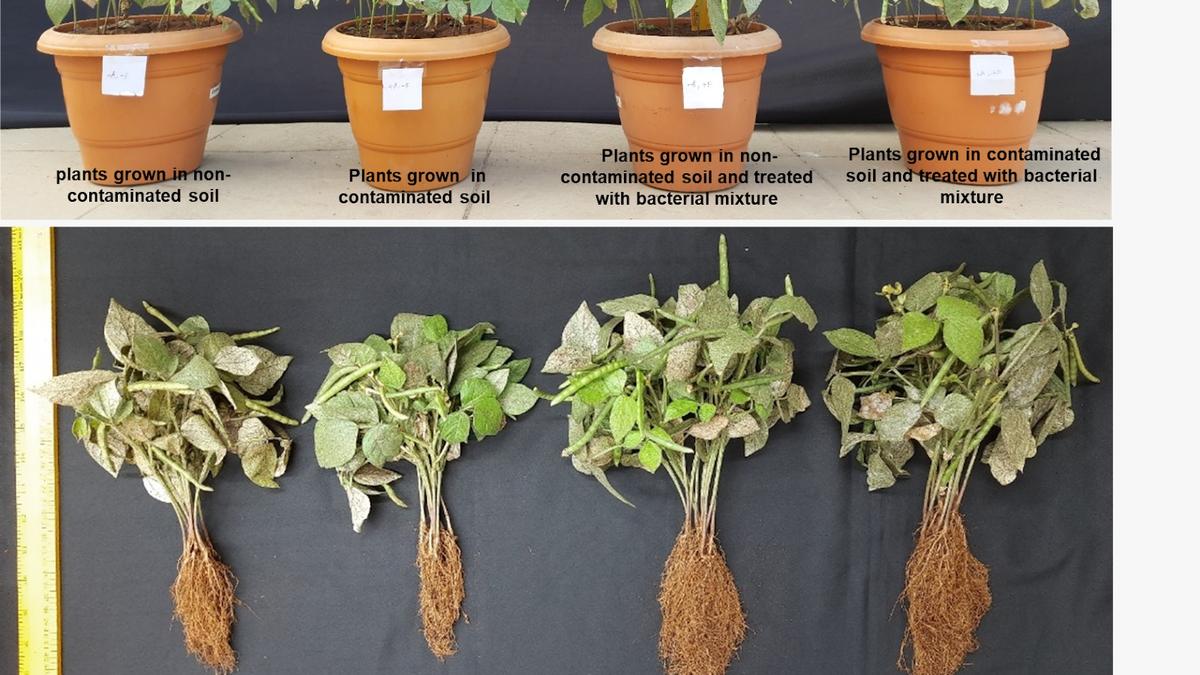
In a recent study published in the journal Environmental Technology and Innovation, researchers have used the power of specific bacterial species to remove organic pollutants from soil.
- Bacterial mixture – Species from the genera Pseudomonas and Acinetobacter, were good at breaking down aromatic compounds in contaminated soil and thereby improving soil and plant health.
- Need – Soil contaminants are toxic, can inhibit seed germination, reduce plant growth, yield and also accumulate in seeds and plant biomass.
- Working - They break down pollutants into simpler, harmless, non-toxic compounds.
- Recover soil health – They fertilise the soil and improve soil health.
- Inhibit fungi – They produce substances like lytic enzymes and HCN (hydrogen cyanide) that can kill or inhibit the growth of plant pathogenic fungi.
- These bacteria are eco-friendly and target only the harmful fungi
Despite the use of fungicides & disease-resistant cultivars, fungal infections still cause global crop losses of 10–23% annually, with key calorie crops in India, like rice and wheat, particularly affected.
- Make nutrients accessible to plants – They convert insoluble form of essential nutrients like phosphorus and potassium, into soluble forms and make them readily available to the plants.
- They produce siderophores, which help plants absorb iron in nutrient-limited environments.
- Improves plant growth & health – They produce high amount of growth hormone called indoleacetic acid (IAA).
- Boosts yield - They significantly boost the growth and yield of crops (wheat, mung bean, spinach, fenugreek, etc.) up to 45-50%.
Reference
The Hindu| Bacterial Mixture for Plant Growth in Contaminated Soil.



