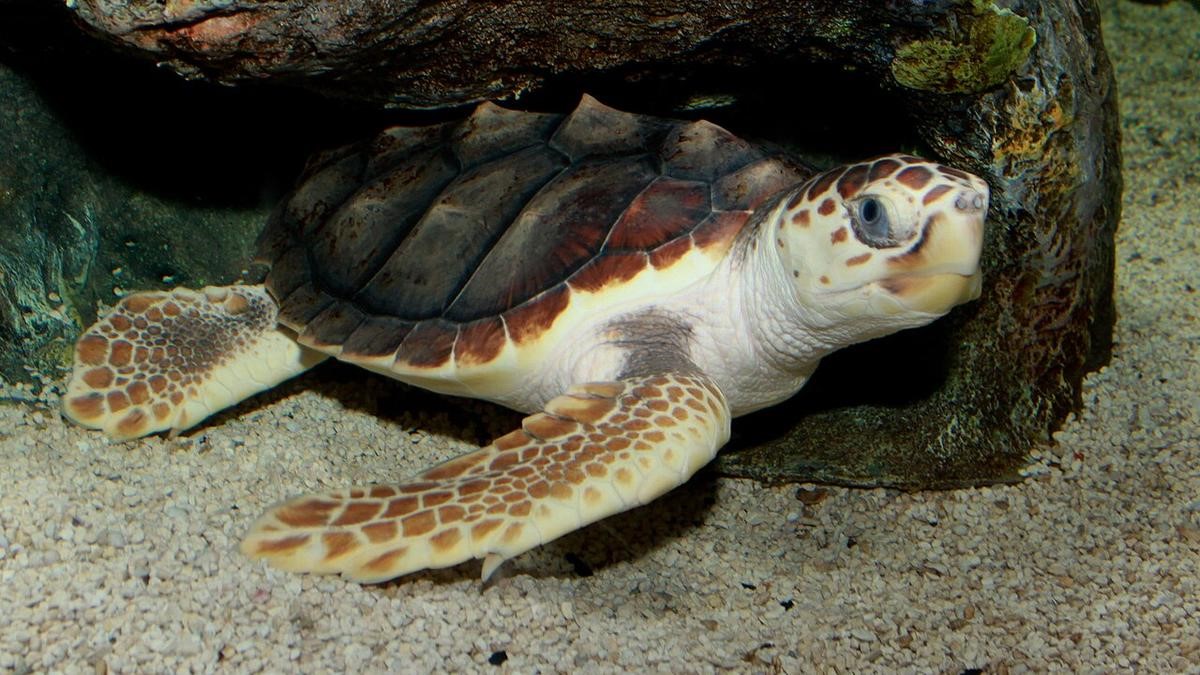
- Nomenclature - Named for their massive heads and powerful jaw muscles, loggerhead turtles (Caretta caretta) are the world's largest hard-shelled turtles.
- These ancient mariners are a keystone species, supporting over 100 different types of animals and plants that live directly on their shells.
- Nesting Hotspots - Florida (USA) hosts about 90% of U.S. nesting. Other major sites include Oman, Cabo Verde, Greece, and Australia.
- Diet- Primarily carnivorous, they use their strong jaws to crush hard-shelled prey like crabs, conchs, and sea urchins.
- Lifespan - They are long-lived, often reaching 70–80 years or more in the wild.
- Navigation - They possess an extraordinary "internal compass," using the Earth’s magnetic field to navigate thousands of miles across ocean basins.
- Reproduction - Females exhibit natal homing, returning to the exact beach where they hatched decades earlier to lay their own eggs.
- Conservation status – IUCN - Vulnerable.
- Threats – Bycatch - Accidental capture in commercial fishing gear (trawls, longlines, and gillnets) is their primary threat.
- Pollution - They frequently mistake plastic debris for jellyfish, leading to fatal internal blockages.
- Coastal Development - Artificial lighting on beaches disorients hatchlings, leading them away from the ocean and toward hazards.
|



