Why in News?
Recently, the World Health Organisation (WHO) scientists have endorsed a weight loss drugs for controlling obesity.
- Obesity – It is a chronic complex disease defined by excessive fat deposits that can impair health.
- Diagnosis – It is made by measuring people’s weight and height by calculating the Body Mass Index (BMI).
- BMI categories – For defining obesity vary by age and gender,
|
Gender and Age
|
BMI categories
|
|
Infants
(under 5 years of age)
|
Weight-for-height greater than 3 standard deviations above the WHO Child Growth Standards median.
|
|
Children
(aged between 5-19 years)
|
Greater than 2 standard deviations above the WHO Growth Reference median.
|
|
Adults
|
Greater than or equal to 30.
|
- Globally, 1 in 8 people were living with obesity in 2022.
- In India, there were 44 million women and 26 million men living with obesity in 2022.
- Impacts – It increase the risk of type 2 diabetes and heart disease.
- It affects bone health and reproduction and it increases the risk of certain cancers.
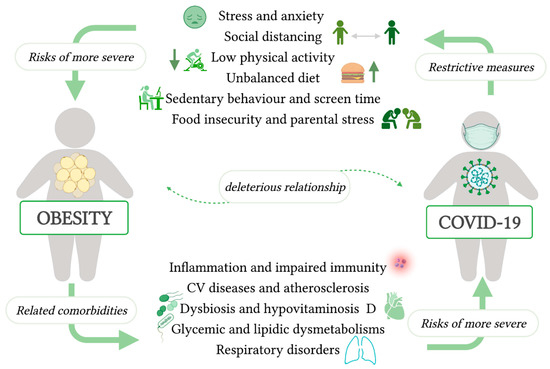
- Globesity – An escalating global epidemic of overweight and obesity called as “globesity” is taking over many parts of the world.
- It elevated to greater levels during the times of COVID Pandemic.
Glucagon-like peptide-1 (GLP-1) receptor agonists
World Health Organization (WHO) have endorsed a new class of medicines known as GLP-1 receptor agonists.
- Role – A class of medications utilized to treat type 2 diabetes mellitus (T2DM) and obesity.
- Composition – It includes drugs such as Semaglutide and Tirzepatide, which have the potential to be transformative.
- Working – It mimics a hormone that regulates appetite and blood sugar levels.
- It lowers serum glucose levels and thereby manage metabolism in affected patients.
- Objectives – Identify the mechanism of action of GLP-1 receptor agonists.
- Assess the potential adverse effects of GLP-1 receptor agonists.
- Differentiate the proper administration techniques for GLP-1 analogs and the clinical monitoring necessary for patients prescribed GLP-1 receptor agonists.
WHO is currently in the process of drafting guidelines for the use of GLP-1 receptor agonists in adults with obesity, likely to be published in July 2025.
References
- The Indian Express| Obesity Pandemic & Weight Loss Drugs
- World Health Organization (WHO)| Obesity and its Symptoms
- National Library of Medicine| GLP-1 receptor agonists



