The Swachh Bharat Mission-Urban 2.0 is promoting Used Water Management (UWM) to treat, recycle and safely reuse urban wastewater instead of treating it as waste.
Used Water Management under SBM-U
- Water Plus Certification: Encourages cities to ensure proper treatment of wastewater before discharge and promote reuse.
- ODF++ Protocols: Focuses on safe management of sewage, faecal sludge and septage.
- Role of ULBs: Urban Local Bodies are encouraged to prepare city-level plans for wastewater treatment and reuse.
- Infrastructure expansion: Projects worth ₹11,785 crore have been approved for STPs in small cities, adding 4,900 MLD treatment capacity.
City-Level Models of Wastewater Reuse
- Jaipur – Water Reuse at Scale
- Dehlawas STP: Rajasthan’s highest-capacity STP at 215 MLD, using automated SCADA and SBR technology.
- Treated water is reused for irrigation, gardening and industrial purposes, while the plant also supports green cover.
- Indore – Water Plus Model
- Became the first Water+ certified city by preventing untreated wastewater from entering rivers and drains.
- Treated water is used for gardening, horticulture, road washing and sewer maintenance, alongside extensive rainwater harvesting.
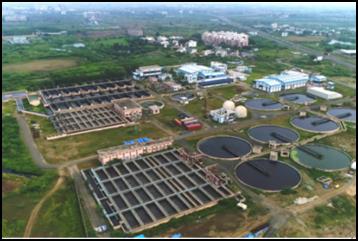
- Surat – Wastewater as an Economic Resource
-
- Four tertiary treatment plants provide 116 MLD treatment capacity.
- Treated water is reused for industry, agriculture, lake rejuvenation, plantations and sewer cleaning, reducing freshwater dependence.
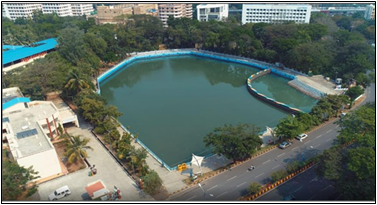
- Navi Mumbai – Integrated Reuse
-
- Achieved Water+ Certification and a five-star rating through improved STPs and mechanised sewer cleaning.
- Over 30% of treated water is reused in gardens and for cleaning vehicles, buses and roads.
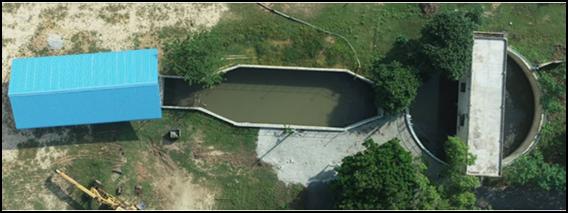
- Tirupati – Revenue-Generating Model
- Its 50 MLD STP reuses 24 MLD of treated water.
- Sale of 5 MLD to industry generates around ₹6 lakh monthly revenue, while treated water is also supplied to farmers and used for urban services.
Significance
- Water conservation – Reduces dependence on freshwater sources.
- Pollution control – Prevents untreated sewage from entering rivers and water bodies.
- Circular economy – Converts wastewater into a reusable resource.
- Economic benefits – Reuse and sale of treated water can support sustainable STP operations.
- Urban resilience – Helps cities manage growing water demand and wastewater generation.
Way Forward
- Expand decentralised and advanced STP infrastructure.
- Promote safe and quality-based reuse of treated wastewater.
- Develop sustainable revenue models for wastewater treatment plants.
- Strengthen ULB capacity, monitoring and maintenance.
- Integrate wastewater reuse with rainwater harvesting, groundwater recharge and urban water planning.
Conclusion
- Used Water Management marks a shift from “treat and dispose” to “treat, recover and reuse”, supporting cleaner cities, water security and a circular urban economy.
Reference
PIB



