Prelims: Current events of national importance | Biodiversity & Conservation
Why in News?
Recently, Scientists from the Zoological Survey of India (ZSI) and Prof. Ramkrishna More College have developed India’s first and largest DNA barcode reference library for cockroaches of peninsular India.
Click Here For More Information
DNA Barcoding
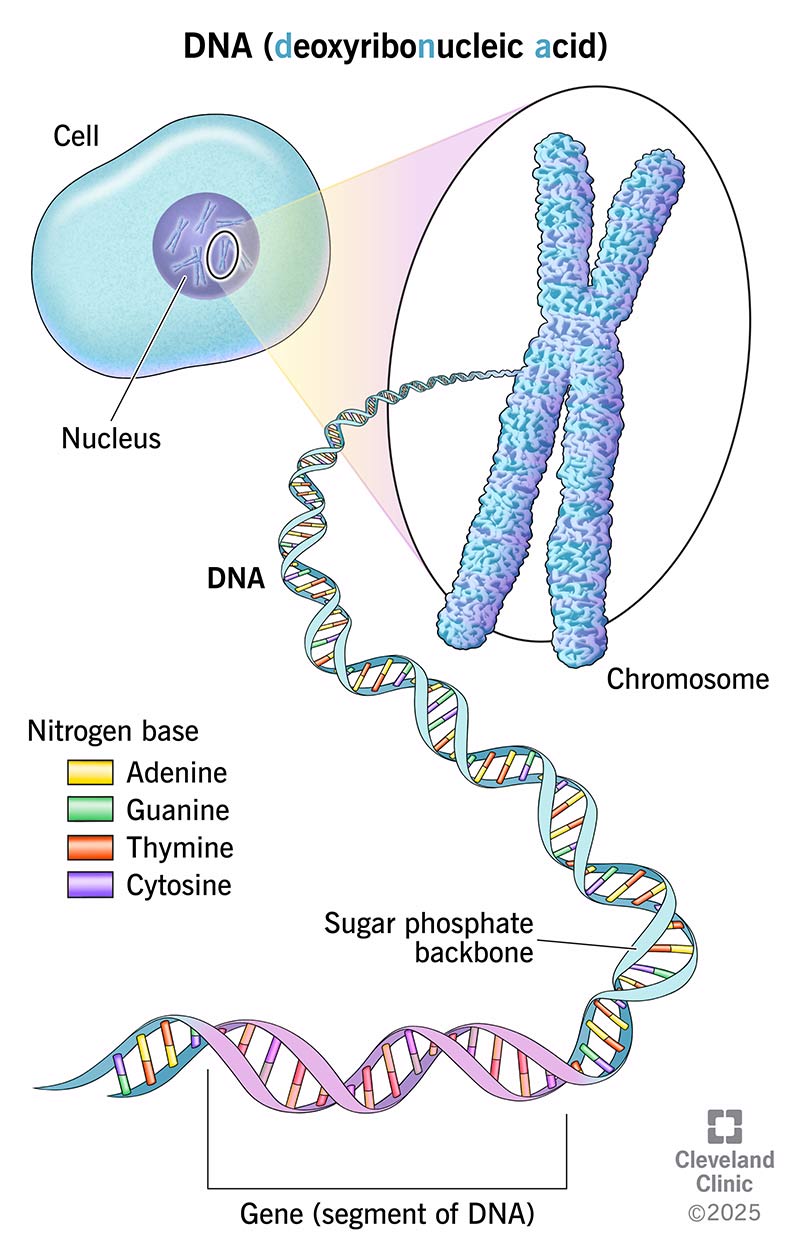
- Definition – A genetic method of species identification using short, standardized DNA sequences, functioning like a supermarket scanner for rapid and accurate results.
- Integration with Taxonomy – Combines molecular techniques with traditional taxonomy, resolving long‑standing ambiguities in species classification.
- Applications – Globally recognized for uncovering hidden biodiversity, ecological monitoring, conservation planning, pest identification, and biosecurity.
Evolutionary Insights
- DNA barcoding reveals endemic lineages with possible Gondwanan affinities.
- Highlights how long‑term isolation and continental history shaped Indian fauna.
- Provides a base for future genomic studies and global phylogeny integration.
Cockroach Diversity in India
- Species Diversity – India hosts 191 species of cockroaches across 74 genera, representing 3.8% of global diversity (5,000 species worldwide).
- Endemism – 119 species (60%) are endemic, found nowhere else on earth.
- Documentation Status – Only 40 species recollected and confirmed and 86 species known solely from original descriptions, with type specimens kept abroad.
- Recent discovery – Neoloboptera peninsularis in the Deccan Peninsula, identified using DNA barcoding.
- Ecological Importance – Cockroaches, among the oldest and most diverse insects, are mostly harmless in the wild and play vital ecological roles by decomposing organic matter, recycling nutrients, and supporting forest food webs.
References



