Prelims: Current events of national and international importance | International Relations.
Why in News?
Himachal Pradesh is introducing Australian Merino sheep and crossbreeding them with indigenous Gaddi/Pahari sheep to improve wool quality and production.
- Aim – To increase the State’s wool production from around 1,500 tonnes to 3,000 tonnes by 2027.
- Concern – Possible loss of the indigenous Gaddi breed, traditional pastoral practices and associated ecological knowledge.
About the programme
- Initiated under – National Livelihood Mission in 2021.
- Location – Government Sheep Breeding Farm, Nagwain, Mandi
- Merino sheep imported – 240 (40 males + 200 females)
- Method – Artificial insemination and crossbreeding of Merino with Gaddi/Pahari sheep.
Artificial insemination is a fertility treatment where sperm is placed directly into a woman's cervix or uterus to help achieve pregnancy without sexual intercourse
- Objective – To produce fine, soft, apparel-grade wool and improve pastoralists’ incomes.
|
Feature
|
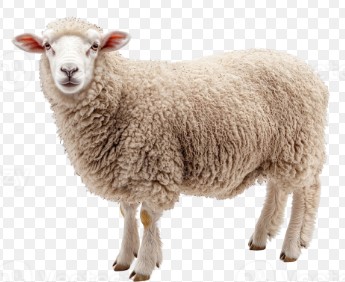
Australian Merino
|
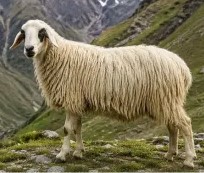
Gaddi/Pahari
|
|
Origin
|
Australia
|
Himachal Pradesh
|
|
Wool
|
Fine and soft
|
Coarser, around 27 microns
|
|
Wool yield
|
Higher (upto 4.5 kg)
|
Lower
|
|
Adaptation
|
Requires relatively intensive management
|
Highly adapted to Himalayan terrain
|
|
|
|
|
- Significance of Gaddi Sheep –
- Integral to Gaddi pastoralism and transhumance.
- Seasonal movement between low and high altitudes.
- Can cover 10–15 km daily across rugged terrain.
- Adapted to local climate, vegetation and diseases.
- Indigenous wool is used for traditional products such as pattu and unali coats.
- Represents mobile ecological and cultural knowledge, not merely an animal genetic resource.
Concerns
- Genetic and cultural loss – Excessive crossbreeding may reduce the Gaddi gene pool and traditional pastoral knowledge.
- Poor local adaptation – Merino sheep may struggle with heavy rainfall, rugged terrain and long-distance movement.
- Health risks – Dense wool can retain moisture, increasing the risk of infections.
- Livelihood concerns – Higher crossbred wool prices may displace indigenous breeds, while poor markets and weak institutions continue to limit pastoralists’ incomes.
Measures
- Balance crossbreeding with conservation of indigenous Gaddi sheep and prevent excessive crossbreeding.
- Monitor crossbred sheep under actual pastoral and climatic conditions.
- Improve Gaddi breeding and markets through better rams, cooperatives and fair wool prices.
- Protect Gaddi sheep as a genetic, ecological and cultural resource, not just a source of wool.
Reference
Down To Earth| Australian Merino–Gaddi Sheep Crossbreeding



