Why in News?
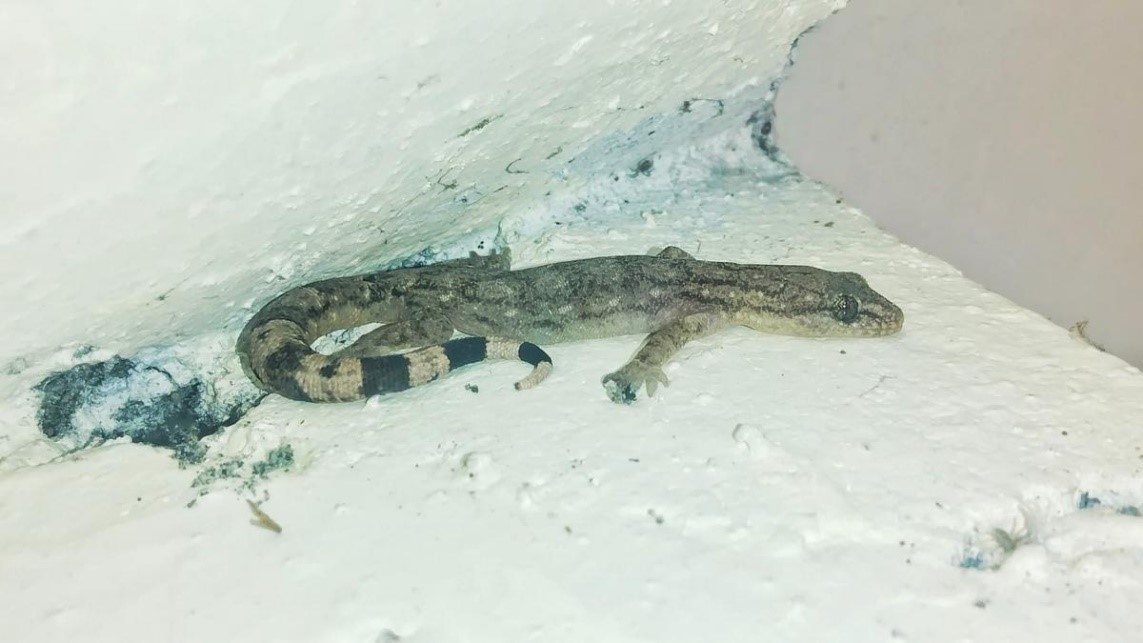
A new species of gecko, Dravidogecko coonoor, has been discovered in the Coonoor Hills, Upper Nilgiris, Western Ghats, Tamil Nadu.
- Scientific Name – Dravidogecko coonoor
- Family – Gekkonidae (Geckos)
- Endemic to – Coonoor Hills, Upper Nilgiris, Western Ghats.
- It brings the total known Dravidogecko species in the Western Ghats to nine.
|
Geckos
|
- Geckos – They are small to medium-sized lizards belonging to the family Gekkonidae.
- They are known for their ability to climb vertical surfaces and ceilings, by specialised toe pads.
- India hosts a rich diversity of geckos, particularly in biodiversity hotspots like the Western Ghats, Northeast India, and Andaman & Nicobar Islands.
- Notable Indian genera:
- Hemidactylus (common house geckos)
- Cyrtodactylus (bent-toed geckos)
- Dravidogecko (endemic to Western Ghats)
|
- Habitat – It is found in high-elevation regions of the Western Ghats, specifically around Coonoor, Tamil Nadu.
- It prefers montane forest edges, plantations, and urban areas like walls of buildings, tree bark, crevices, and vegetation near human settlements.
- It occurs in matrix habitats a mix of fragmented forest patches and monoculture plantations amidst human habitation.
- Ecological significance – It is unique to the high-elevation regions of the Western Ghats, a global biodiversity hotspot.
- It controls insect populations, especially pests like mosquitoes and cockroaches.
- It is the prey for birds, snakes, and larger lizards—important in food webs.
- Physical features – A small to medium-sized gecko and distinct from its close relatives by subtle morphological differences, noted during field studies.
- It displays typical gecko features like adhesive toe pads suited for climbing.
- Threats
- Habitat fragmentation – Due to urbanisation, expansion of tea/coffee plantations.
- Deforestation – Clearing of forest patches for human activities.
- Climate Change – Potential impact on montane ecosystems affecting species distribution.
Reference
The Hindu| Dravidogecko coonoor



