- Chromosome - Each of an individual’s cells — in one’s skin, blood, teeth, bone, etc. — contain 46 DNA molecules.
- One set of 23 is inherited via sperm from the father and the other 23 via the egg from the mother.
Sperm and egg cells are exceptional because they have only one copy of the genome each, not two.
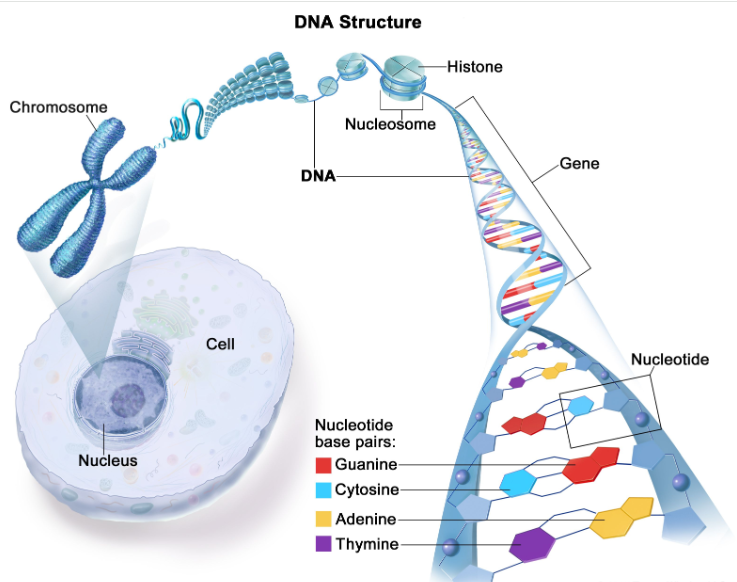
- The DNA is packed inside chromosomes.
- DNA polymorphisms - It refers to variations in DNA sequences, including single nucleotide differences (SNPs), that occur among individuals or populations.
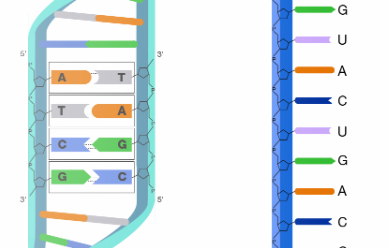
A nucleotide is the basic building block of nucleic acids (DNA and RNA), composed of a sugar molecule (deoxyribose in DNA, ribose in RNA), a phosphate group, and a nitrogen-containing base
- It serves as genetic markers for analysis and can be used to differentiate one person from another.
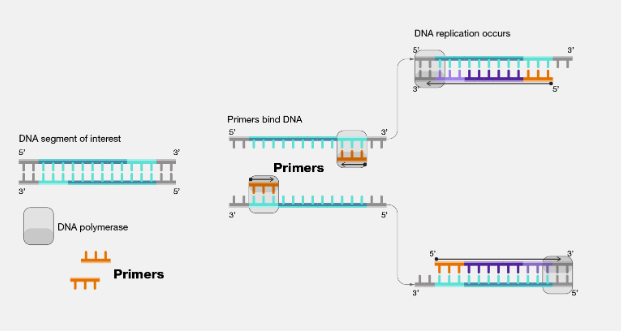
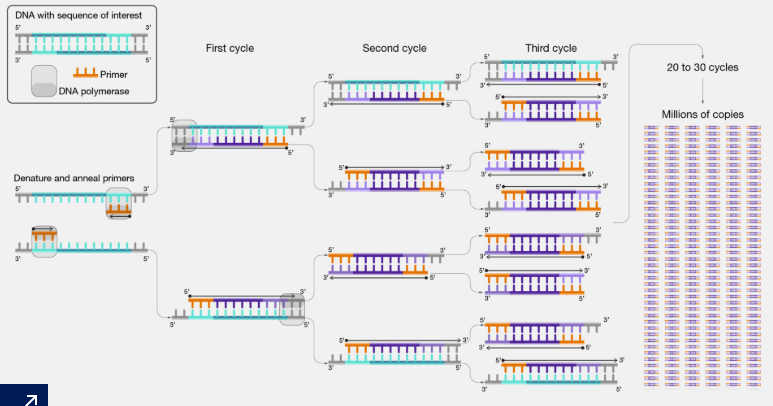
- It is most often (but not exclusively) used together with technologies like PCR, capillary electrophoresis, and fingerprinting.
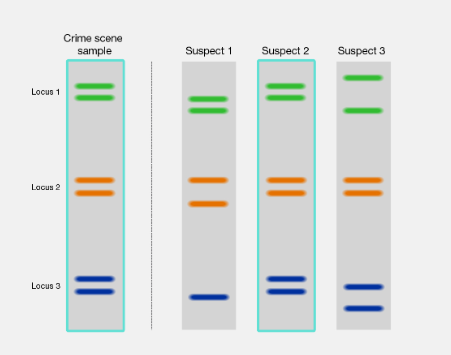
- DNA profiles- They are typically generated using polymorphisms in parts of the DNA called short tandem repeats (STRs).
- Short tandem repeats (STRs) - It is the short sequence of base-pairs on the DNA that is repeated some number of times, such as GATCGATCGATCGATC.
DNA has two strands and Each strand is a sequence of four chemical bases: adenine (A), cytosine (C), guanine (G), and thymine (T).
- Uniqueness – These STRs are unique for an individual and varies across people.
|