Why in news?
Debit-Fossil Fuel Trap report shows that Global North-imposed debt is locking the Global South into fossil fuels.
What is the report findings?
- Debt-Fossil Fuel Trap report has been released by the anti-debt campaigner’s Debt Justice and partners.
- Global South- Global South is a term used for developing, less developing and underdeveloped countries, located in Africa, Latin America, and Asia.
- Global south countries are currently spending 5 times more on repaying debt than they are on addressing the impacts of the climate crisis.
- Increase debt- The revenue from fossil fuel projects are often overinflated and require huge investments to reach expected returns, leading to further debt Revenues from such projects.
- External debt payments- The money borrowed from richer countries, or multilateral creditors like the World Bank and IMF, or private lenders such as banks has risen by 150%.
- Cut on public expenditure- Around 54 countries are in a debt crisis, they had to cut public spending during the pandemic to repay loans.
- Climate change-Extreme weather events force countries to borrow more money for adaptation and mitigation efforts.
- For example Dominica’s debt as a percentage of GDP rose from 68% to 78% after Hurricane Maria hit the island in 2017.
- Extract fossil fuel - It is seen as a means to generate revenue and to reduce debt for countries in the global south
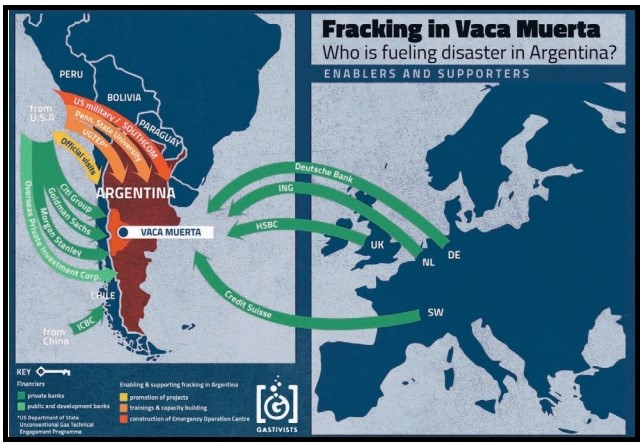
- Argentina- It supports fracking in Vaca Muerta oil and gas field in Northern Patagonia to ease the debt crisis.
- This project is also backed by International Monetary Fund.
- Saviour of foreign currency- Through this foreign currency could be saved by supplying oil and gas domestically while additional foreign currency can also be generated.
- Environmental catastrophe- Fracking is a drilling method used to extract oil or natural gas from deep in the Earth’s surface.
- It leads to greenhouse gas leak like methane, air pollution etc.,
- Huge investment- It requires large-scale investment of investment for Argentina.
- The country’s strategy to reduce debt may end up adding to debt levels without generating adequate revenue to repay.
- External support- Despite many assurances, to stop investing in fossil fuels in global south countries, richer countries have financed fossil fuel projects.
- The financing is done through loans, adding to debt burdens and keeping countries locked in fossil fuel production.
- Resource backed loan-It is a loan contract in which the repayment is made
- Directly in natural resources such as oil and minerals.
- Resource-related future income stream.
- It is guaranteed by a resource-related income stream.
- Collateral natural resource asset.
- Example- In Surinam, creditors are entitled to 30% of oil revenue until 2050, incentivizing continued oil exploitation.
What are the key recommendations of the report?
- Ambitious debt cancellation- Implement comprehensive debt cancellation for countries in need, across all creditors, free from economic conditions.
- Transition to clean energy- Encourage the adoption of clean and renewable energy sources to reduce dependency on fossil fuels.
- Government support- Wealthy governments and institutions should play a role in supporting countries to exit the debt-fossil fuel trap.
- Sustainable Development- Promote sustainable development strategies that prioritize environmental protection and economic stability.
- SDG 7- Ensure access to affordable, reliable, sustainable and modern energy for all.
- Curb external support- Bilateral and multilateral finance should be aligned with a 1.5-degree warming scenario and fair shares calculations, and not be used to finance fossil fuels.
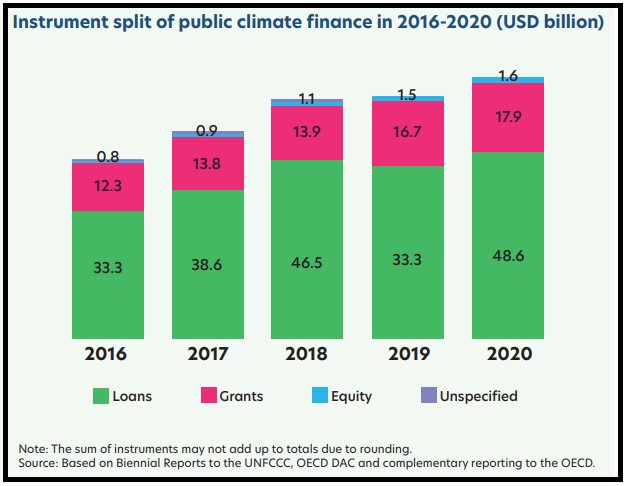
- Climate finance- There is a need to scale up grant-based, new and additional public climate finance that fosters environment and social sustainability.
References
- Indian Express- Fossil fuel reliance by poor countries
- Debt Justice- Debt Fossil Fuel Trap Report



