Why in news?
Cell free DNA is found to be promising in the field of disease discovery.
What is cfDNA?
DNA is a molecule that carries genetic information for the development and functioning of an organism.
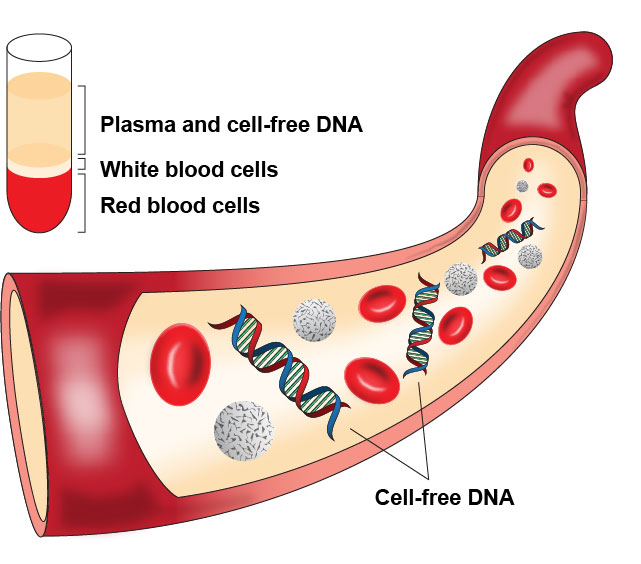
- Cell-free DNA (cfDNA) refers to small DNA fragments found in the bloodstream and other bodily fluids, such as spinal fluid and urine.
- These fragments are derived from various sources, including the breakdown of cells, the release of DNA from damaged or dying cells, and the shedding of DNA by normal cells.
- The presence of cfDNA in bodily fluids is an indication of various processes that include physical injury, inflammation, and cancer.
What are the applications of cfDNA?
- Non-invasive prenatal test (NIPT) - NIPT is a screening test that can be performed during pregnancy to assess the risk of chromosomal abnormalities in the fetus, such as
- Down syndrome (trisomy 21)
-
- Edwards syndrome (trisomy 18)
- Patau syndrome (trisomy 13)
- Cancer treatment- The presence of cfDNA with specific genetic abnormalities can indicate the presence of cancer.
- The analysis of cfDNA can be used to diagnose cancer, monitor the treatment effectiveness, and detect recurrence after treatment.
- GEMINI- Genome-wide Mutational Incidence for Non-Invasive detection of cancer adopts a whole-genome-sequencing approach to cfDNA extracted from patients.
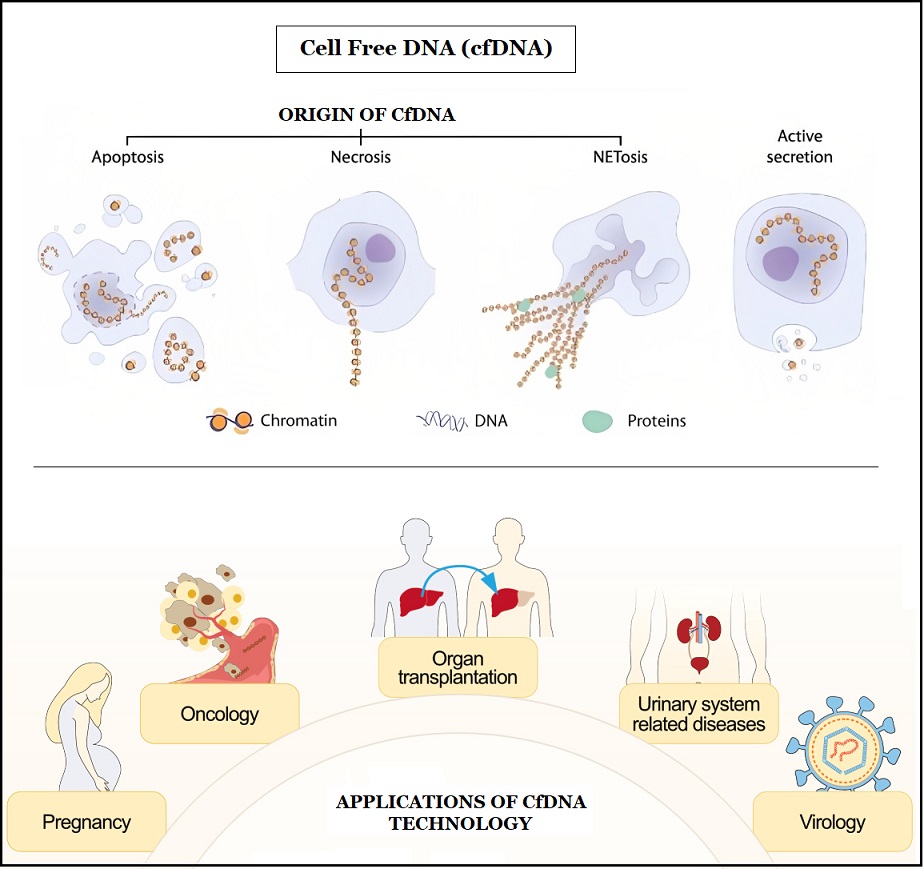
- Biomarker- CfDNA finds its application in the neurological disorders like Alzheimer’s disease, neuronal tumours, stroke, traumatic brain injury, and even metabolic disorders like type-2 diabetes and non-alcoholic fatty liver disease.
- Heart attack- The analysis of cfDNA has been studied as a potential tool for the diagnosis and prognosis of acute myocardial infarction (heart attack).
- Stroke- The presence of cfDNA in the blood is an indicator of brain injury in stroke patients, and the analysis of cfDNA has been studied as a potential tool for the diagnosis and prognosis of stroke.
- Autoimmune diseases- The analysis of cfDNA is a potential tool for diagnosing and monitoring autoimmune diseases, such as rheumatoid arthritis and systemic lupus erythematosus.
- Pregnancy complications- The analysis of cfDNA is a potential tool for diagnosing and monitoring complications during pregnancy, such as preterm labor and preeclampsia.
- Organ transplantation- It helps in understanding why a body is rejecting a transplanted organ.
- DNA obtained from the donor who is donating the organ – called donor-derived cfDNA, dd-cfDNA – could provide an early yet accurate estimate of how well the organ is being taken up.
Circulating tumor DNA (ctDNA)
- ctDNA refers to a small subset of the cfDNA and consists of small DNA fragments released into the bloodstream by cancer cells.
- ctDNA can be detected in the blood of individuals with cancer and can provide information about the characteristics of the cancer.
- Size- ctDNA fragments are typically smaller than normal DNA fragments due to the presence of breaks and mutations in the DNA.
- Composition- ctDNA comprises both normal DNA and DNA with mutations or abnormalities.
- Stability- ctDNA is relatively stable in the bloodstream and can be detected for an extended period after it is released from the cancer cells.
- Concentration- The concentration of ctDNA in the bloodstream can vary depending on the stage and size of the cancer.
- Heterogeneity- ctDNA can be highly heterogeneous, meaning it can contain various mutations and abnormalities making it challenging to detect and analyze accurately.
Reference
The Hindu- cfDNA cancer screening



