8. In line with the Directive Principles of State Policy enshrined in the Indian Constitution, the government has a constitutional obligation to ensure basic needs – “Roti, Kapda aur Makan (Food, Clothes and Shelter)” – for the under-privileged. Pursuing this mandate, the district administration proposed clearing a portion of forest land to develop housing for the homeless and economically weaker sections of the society.
The proposed land, however, is an ecologically sensitive zone densely populated with age-old trees, medicinal plants and vital biodiversity. Besides, these forests help to regulate micro-climate and rainfalls; provide habitat for wildlife, support soil fertility and prevent land/soil erosion and sustain livelihoods of tribal and nomadic communities.
Inspite of the ecological and social costs, the administration argues in favour of the said proposal by highlighting that this very initiative addresses fundamental human rights as a critical welfare priority. Besides, it fulfils the government’s duty to uplift and empower the poor through inclusive housing development. Further, these forest areas have become unsafe due to wild-animal threats and recurring human-wild life conflicts. Lastly, clearing forest-zones may help to curb anti-social elements allegedly using these areas as hideouts, thereby enhancing law and order.
(a) Can deforestation be ethically justified in the pursuit of social welfare objectives like, housing for the homeless?
(b) What are the socio-economic, administrative and ethical challenges in balancing environmental conservation with human development?
(c) What substantial alternatives or policy interventions can be proposed to ensure that both environmental integrity and human dignity are protected ? (250 words, 20 marks)
Direction: Intro------Stakeholders + Ethical issues + explain each question ----- Conclusion.
Introduction:
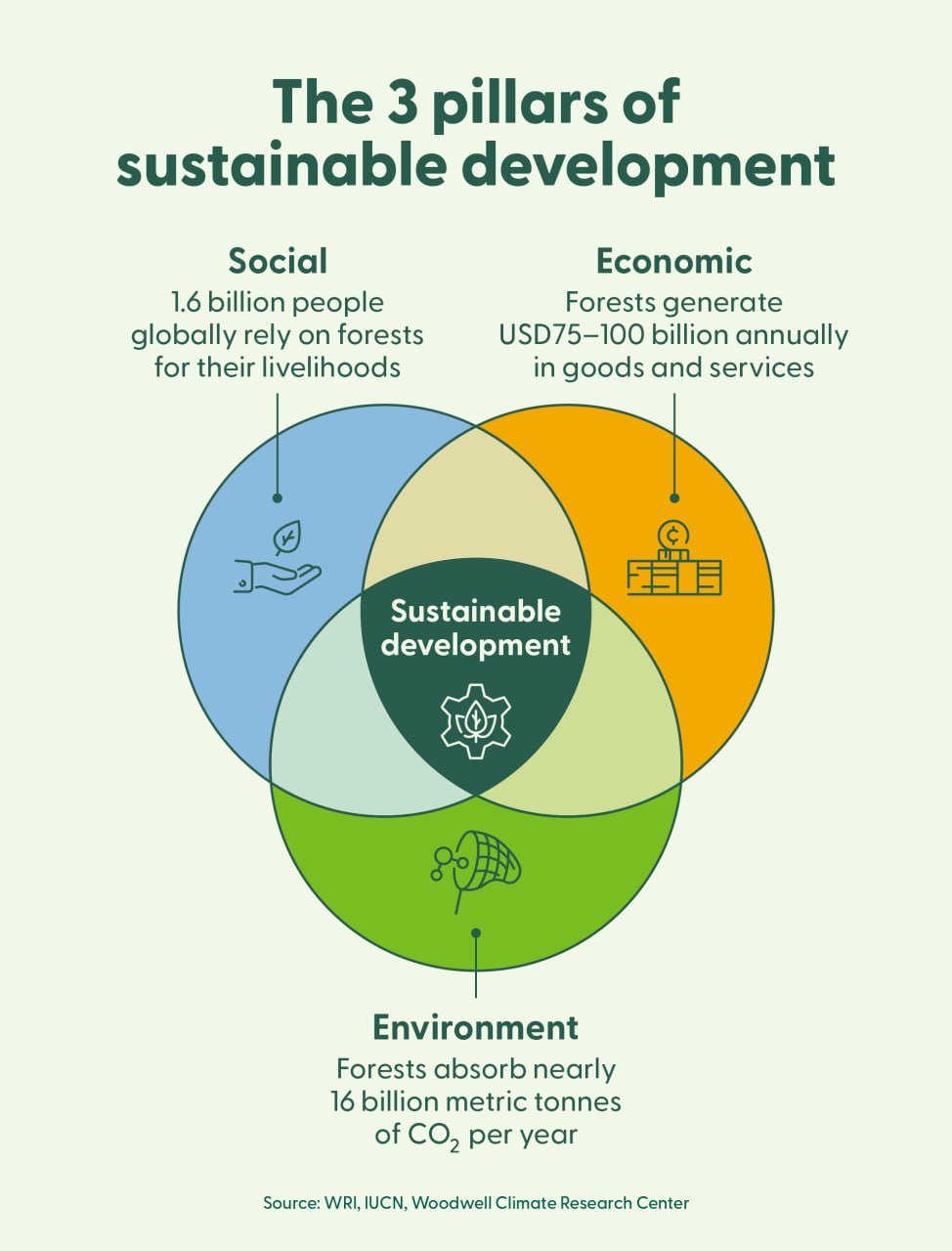
Start with sustainable development & this case presents a classic conflict between human welfare and environmental ethics.
Main Body
Stakeholders Involved
Key Ethical Issues involved
(a) Can deforestation be ethically justified?
|
Yes, it can be ethically justified — under strict conditions |
No, it cannot be ethically justified — especially in an ecologically sensitive forest |
|
|
(b) Socio-economic, administrative and ethical challenges
Socio-economic challenges
Administrative challenges
Ethical challenges
The administrator must avoid both environmental absolutism and developmental absolutism.
(c) Alternatives and policy interventions
Conclusion:
Give a neutral conclusion.
Mention that we can create human settlements everywhere, but can’t create forests and forest-based ecosystems everywhere.
Best ethical approach: Not “Environment vs Development”, but “Development with minimum ecological harm.”


