Why in News?
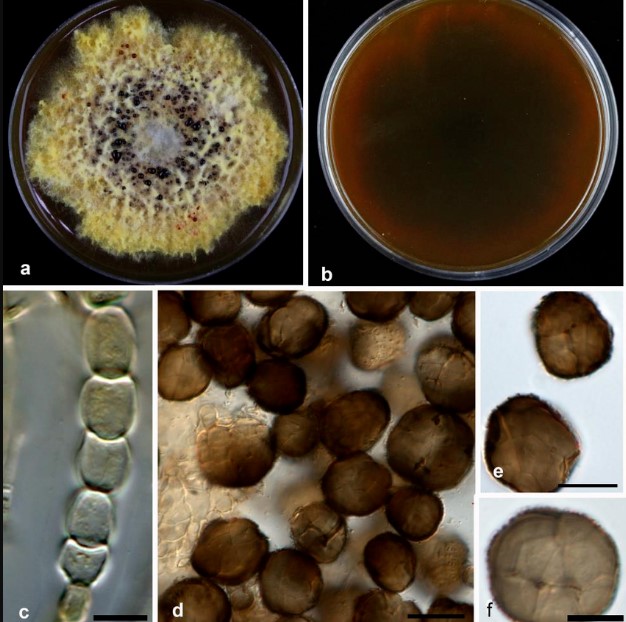
A new species of phytopathogenic fungi, epicoccum indicum was recently discovered by researchers at Banaras Hindu University.
- It is a new species of phytopathogenic fungi associated with an emerging leaf spot disease in Chrysopogon zizanioides (vetiver).
- The species was identified based on morpho-cultural characteristics and multigene molecular phylogenetic analyses.
- It forms a distinct clade, separate from other related species, which justifies its classification as a new species.
- The species name refers to India, where it was discovered.
Phytopathogenic fungi
- It can cause diseases in plants, leading to significant economic losses in agriculture and horticulture
- It is contributed to 70-80% of plant diseases and infect parts of the plants such as roots, stems, leaves, fruits and flowers.
- Most of these fungi belongs to Ascomycetes and the Basidiomycetes.
- They possess a wide range of enzymes destroying the carbohydrate polymers (constitute the building materials of the cell walls).
- Some fungi kill their hosts and feed on dead material (necrotrophs), while others colonize the living tissue (biotrophs).
Leaf spot disease
- It is a plant disease that causes circular or elongated spots on leaves, stems, and sheaths.
- These spots can be brown, black, tan, or reddish in color, and can vary in size.
- Leaf spot disease can be caused by fungi, bacteria, nematodes, or other organisms.
Reference
Times of India | Epicoccum Indicum



