0.1055
7667766266
x

Ehlers-Danlos Syndrome (EDS)

iasparliament Logo
September 25, 2026

Prelims: Current events of national and international importance | Health

Why in news?

Recent research in September 2026 has provided new insights into the causes and symptoms of hEDS, including associations with hormone levels and sleep-related disorders.
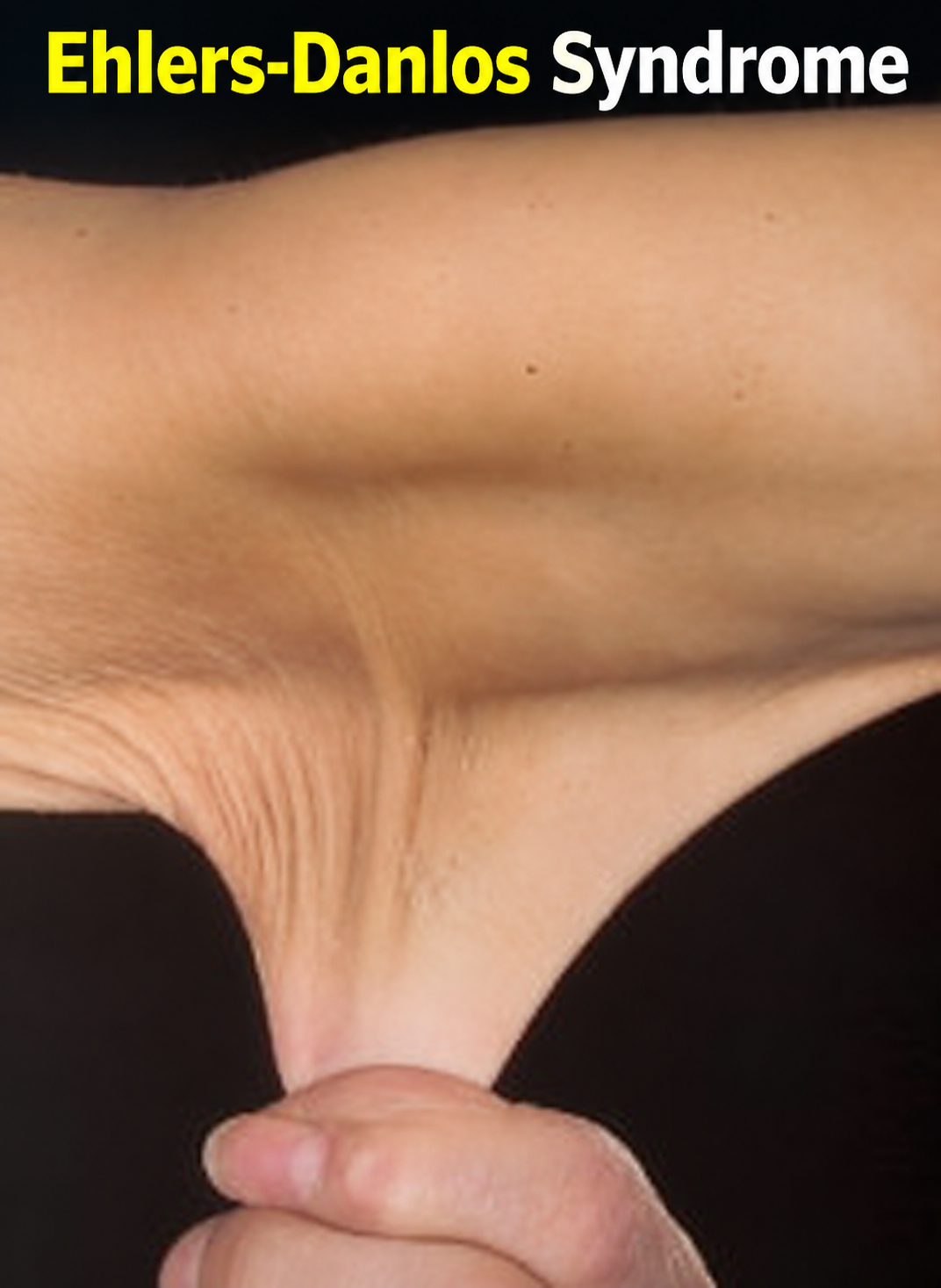
  • Ehlers-Danlos Syndrome (EDS) – It is a group of conditions that affect the connective tissue of the human body, typically loosening or weakening it.
  • Connective tissue supports and provides flexibility to the skin, tendons, ligaments, bones, blood vessels, and organs.
  • EDS is generally inherited and is commonly associated with hypermobility, meaning one’s joints can move past their normal range of motion.
  • But hypermobile EDS, or hEDS, which often comes with a higher risk of bruising and injury, is only the most common among the 13 types of EDS, some of which are very rare.
  • In fact, one of the rare forms of the condition, vascular EDS, can be life-threatening.

EDS Disease.upsc

  • Causes – EDS is caused by certain genetic changes and is generally passed down to children by their parents.
  • These genetic changes affect how one’s body makes and uses collagen, a protein that gives structure and strength to joints, skin, blood vessels, and other tissues.
  • However, in some people, it can occur randomly due to genetic mutations with no family history of the condition.
  • Types of EDS

Types

Features/Symptoms

Hypermobile EDS (hEDS)

It is the most common form.

Hypermobile joints, pain, extreme fatigue, easy bruising, digestive and bladder issues.

Classical EDS

Less common type

Mainly affects the skin; very stretchy, fragile skin, bruises easily or splits easily, slow wound healing, noticeable scars

Vascular EDS

Rare but serious, affects one’s internal organs;

Fragile blood vessels and organs, risk of internal bleeding, bowel rupture, pregnancy complications, and lung collapse.


Kyphoscoliotic EDS (kEDS)

It is also rare & affects spinal curvature and causes joint hypermobility and loose joints.

  • Diagnosis – Most people with EDS are diagnosed through physical, not genetic, testing.
  • Some of the rarer forms of EDS may be diagnosed through genetic testing.
  • Treatment – There is no cure for EDS, but symptoms, especially those of hEDS, can be managed through
    • Physiotherapy and muscle-strengthening exercises
    • Pain management
    • Treatment for digestive or related symptoms
    • Avoiding activities that put excessive stress on joints, such as heavy weightlifting or contact sports
    • Engaging in lower-impact activities like swimming and Pilates
    • For some, however, the symptoms can be disabling.

Reference

The Hindu | Ehlers-Danlos Syndrome

There are no reviews yet. Be the first one to review.

ARCHIVES

sidetext


