|
One Liners 10-03-2026
|
|
Geography
|
|
Dzukou Valley
-
It is Known as the “Valley of Flowers”.
-
Located at – Nagaland–Manipur border.
-
Altitude – 2,438 metres, behind the Japfu mountain range.
-
Adjacent to – Pulie Badze Wildlife Sanctuary (Nagaland).
-
Biodiversity
-
Rare and vulnerable birds – Blyth’s Tragopan (Nagaland’s state bird), Rufous-necked Hornbill, Dark-rumped Swift.
-
Endangered species – Western Hoolock Gibbons.
-
Vegetation – Bamboo, grasses, and endemic Dzukou Lily (Lilium chitrangada).
-
Home to – Angami people.
|
|
Social Issues
|
|
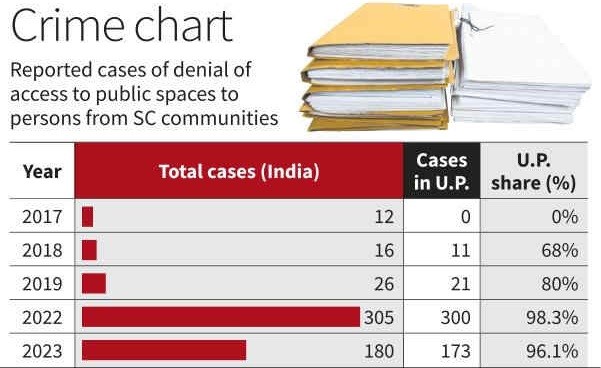
National Crime Records Bureau (NCRB) data on denial of access to public spaces for SC/ST communities
-
Highlights (NCRB 2023)
-
Total cases nationwide – 180.
-
Uttar Pradesh – 173 cases (dominant share).
-
U.P.’s share has been consistently high
-
NCRB Classification
-
Crime category introduced in 2017 under the SC/ST (Prevention of Atrocities) Act.
-
New columns added to classify crimes such as “Prevent or deny or obstruct usage of public place/passage.”
-
In 2017, U.P. reported zero cases in this category but 57 cases under “SC persons forced to leave residence or facing social boycott.”
|
|
Polity & Governance
|
|
Safeguards for SCs and STs
|
|
PM-DAKSH Scheme
-
PM-DAKSH – Pradhan Mantri Dakshata Aur Kushalata Sampanna Hitgrahi Yojana.
-
It is a Central Sector Scheme.
-
Launched during – 2020-21.
-
Nodal ministry – Ministry of Social Justice & Empowermwent.
-
Objective – To provide high quality skills through good quality institutions so that the training can result in finding jobs or self-employment ventures for the target group.
-
Types of Trainings
-
Target Group – SCs, OBCs, EWSs, DNTs Safai Karamcharis including waste pickers etc.
-
Age Criterion – 18-45 years.
-
Income Criteria
-
SCs, Safai Karamcharis Including waste picker and DNT – No Income limit.
-
OBCs and EWSs – Annual income family below Rs.3 lakh.
-
Cost of the training to trainees – Free of cost.
|
|
Environment
|
|
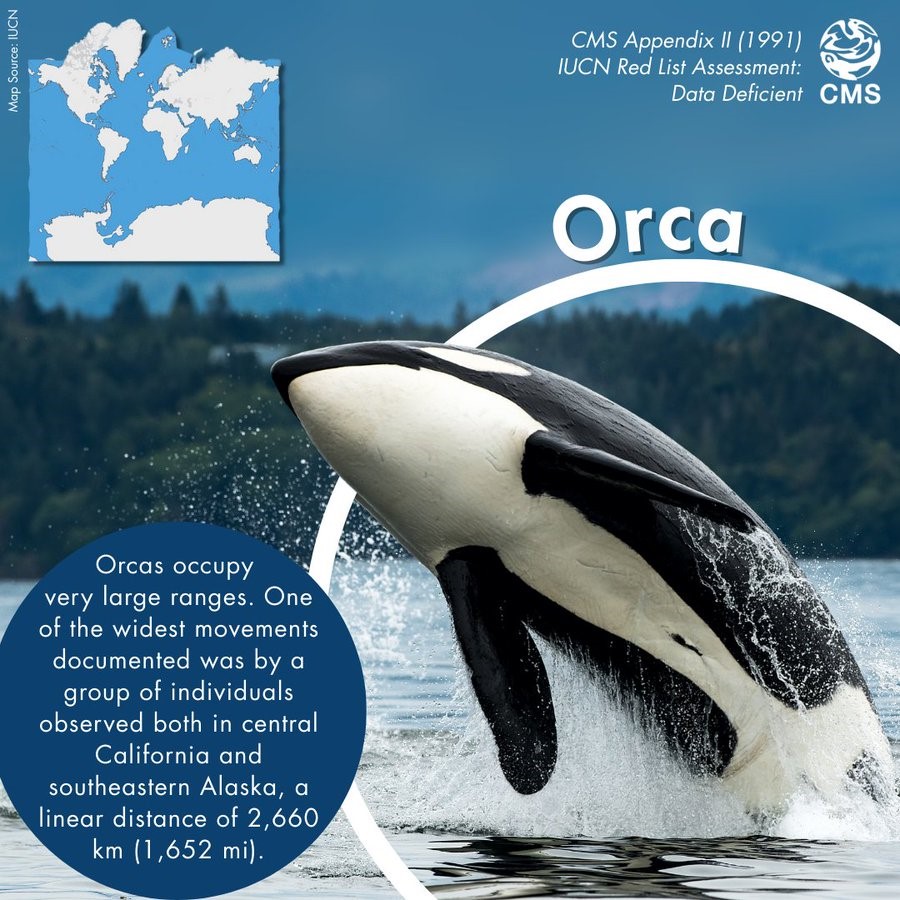
Orcas – Mother Nature & Boss Ladies
-
It also called killer whales.
-
Found in – Every ocean.
-
Matrilineal society – They live in close-knit groups led by mothers, with leadership passed down to daughters.
-
Knowledge transfer – Female orcas teach their young about food sources and social behaviours.
-
Survival strategy – This cultural transmission helps them adapt to the Anthropocene.
-
Threats – Orcas face marine pollution, overfishing, and disrupted echolocation due to noisy shipping zones.
|
|
Deinococcus radiodurans
-
A bacterium famous for surviving extreme radiation and dryness.
-
New Finding – It can withstand intense pressures (14,000–24,000 Earth atmospheres), similar to being blasted off a planet’s surface.
-
Survival Mechanism – Genetic analysis shows survivors rely on:
-
Implications
|
|
Key Concepts behind Deinococcus Radiodurans
|
|
Security
|
|
11th Edition of Exercise LAMITIYE – 2026
-
Joint Military Exercise between – Indian Armed Forces and Seychelles Defence Forces (SDF).
-
‘LAMITIYE’ meaning ‘Friendship’ in the Creole language is a biennial training event.
-
Conducted in – Seychelles since 2001.
-
Participants – All three services of the Indian Armed Forces.
-
Aim – To enhance synergy in the domains of Sub-conventional Operations in Semi-Urban environment and cooperation and interoperability between both the sides during Peace Keeping Operations.
|
|
Science
|
|
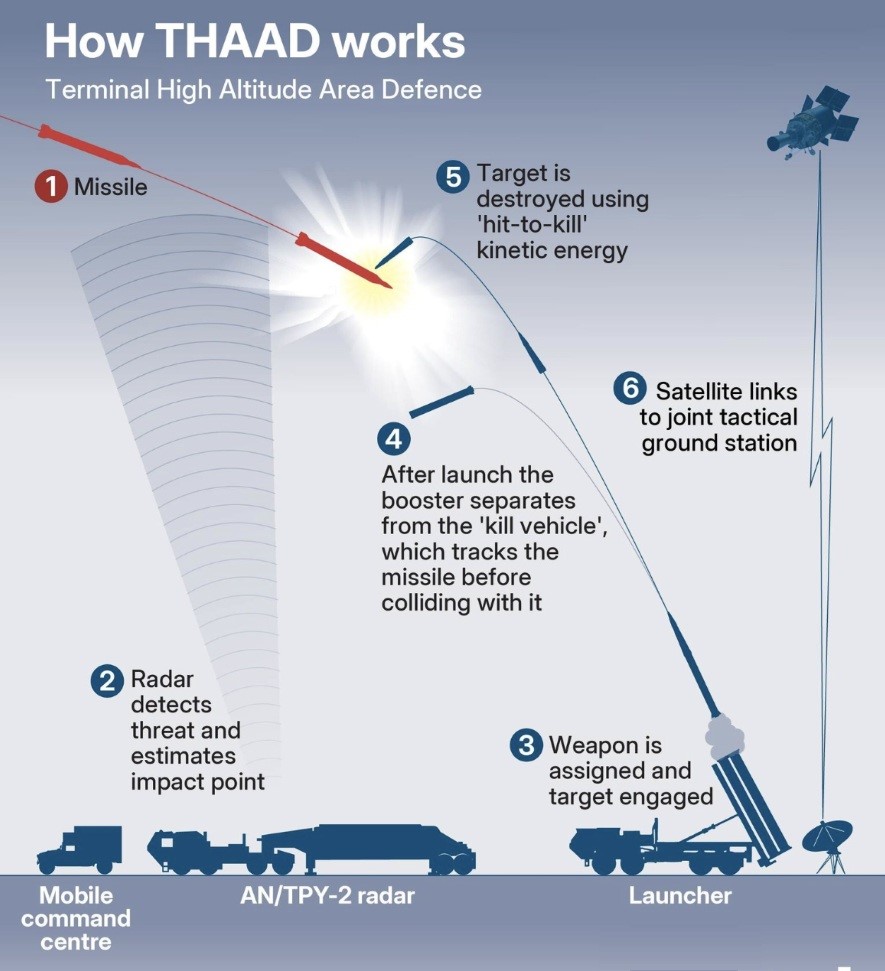
THAAD
-
It is an advanced U.S. missile defence platform designed to counter ballistic missile threats.
-
Capabilities
-
Intercepts missiles in the terminal (final) stage of flight.
-
Destroys threats inside and outside Earth’s atmosphere.
-
Defends against short, medium, and limited intermediate-range ballistic missiles.
-
Effective at ranges of 150–200 km, at high altitude.
-
Hit-to-Kill" Technology
-
Interceptors destroy targets by direct collision at high speed.
-
Uses kinetic energy, not explosives.
-
Improves precision and reduces debris risk.
-
Key Components
-
Interceptors – kinetic impact destroyers.
-
Truck-mounted launchers – mobile deployment.
-
AN/TPY-2 radar – long-range detection and tracking.
-
Fire control & communications unit – tactical coordination.
-
International buyers – UAE (2011), Saudi Arabia.
|
|
WHO Malaria-Free Certification
Recently, the International Malaria Conference 2026 concluded in New Delhi after three days of scientific deliberations and global engagement on malaria elimination.
-
Malaria-Free Certification – Granted when local transmission is interrupted for 3 consecutive years with a functional surveillance system.
-
Global Status – 47 countries/territories certified malaria-free (mid-2025).
-
Note – World Malaria Day observed globally every year on 25th April.
|



