Mains: GS I – Urbanization, their problems and their remedies
Why in News?
In India, the water and wastewater sector, particularly the reuse of treated wastewater, has recently gained attention, especially in water-stressed urban areas.
What is waste water?
- Waste water – It is used water from homes, industries, and other human activities that contains pollutants, making it unsafe for its original use or for discharge into the environment without treatment.
- It can also include stormwater runoff and infiltration from sewer systems.
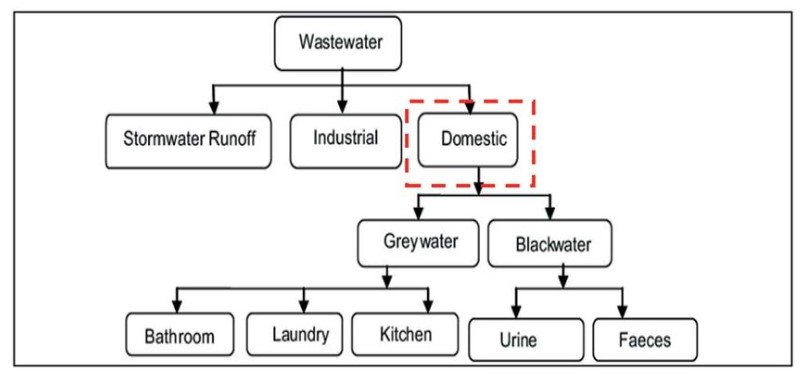
- Indian scenario – According to the Central Pollution Control Board, Indian cities generate over 72,000 million litres per day (MLD) of sewage.
- Contaminants – Common contaminants include human waste, food scraps, chemicals, pathogens, and heavy metals.
- Issues – Wastewater is a significant environmental and health concern as it threatens aquatic ecosystems and human health if improperly managed or discharged untreated.
What is waste water management?
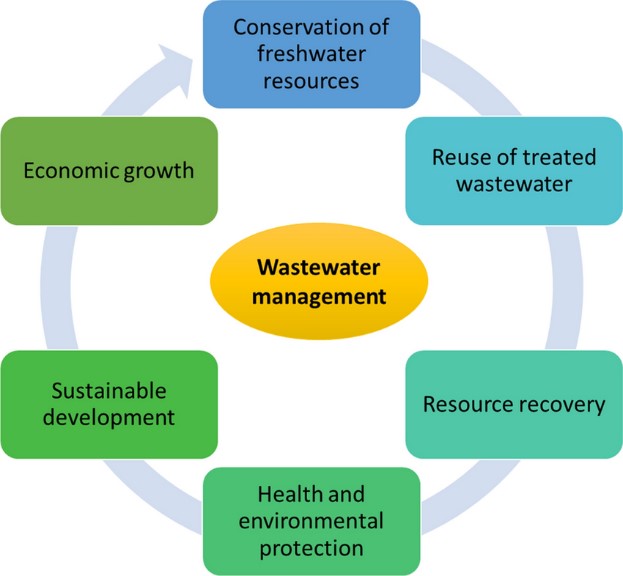
- Waste water management – It is the process of collecting, treating, and safely reusing or disposing of wastewater to protect public health and the environment.
- Need – India, which supports nearly 18% of the world’s population with only 4% of global freshwater resources, faces acute stress on its water systems.
- Between 1951 and 2024, there has been a decline of 73% in per capita surface water availability in the country.
- The rising water scarcity across the world has drawn attention to wastewater treatment and reuse.
- India’s capacity – The installed treatment capacity is less than 32,000 MLD.
- Only 28% of urban wastewater in India is treated, while the remaining 72% flows untreated into water bodies and land.
- Potential – Wastewater management can be a solution to bridge the gap between water demand and supply.
What are the sources and impact of wastewater?
- Major sources – Wastewater in India primarily originates from multiple sources, the most significant being
- Domestic sewage
- Industrial effluents
- Agricultural run-off
- Domestic sewage – It constitutes the largest share, which flows directly into rivers and lakes.
- For example, Yamuna receives 641 million litres of untreated sewage per day, turning the river ecologically dead.
- Industrial discharges - It adds another layer of pollution.
- According to the Pollution Control Board’s Data, there are 3,519 highly polluting industries in the country that discharge wastewater into India’s rivers.
- The Ganga basin is highly affected due to industrial pollution with tanneries in Kanpur and distilleries in Bihar being major sources.
- These effluents often contain heavy metals, dyes, and toxic chemicals, posing long-term risks to human and ecological health.
- Agricultural run-off – It is also a critical source of nutrient pollution that causes eutrophication (the process of water enrichment with excess nutrients, primarily phosphorus and nitrogen) in water bodies.
- For instance, the Vembenad Lake in Kerala, a Ramsar Site, has witnessed a declining fish population due to nutrient pollution.
- Impacts – Wastewater is not only an environmental issue, but a serious public health concern too.
- Contaminated water is a major source of waterborne diseases such as diarrhoea, cholera and dysentery and has been linked to the spread of anti-microbial resistance.
- Around 37.7 million Indians are affected by waterborne diseases annually.
- It also increases the cost of potable water treatment and affects livelihoods dependent on clean water, such as fisheries and tourism.
What are the legal and institutional framework?
- The Water (Prevention and Control of Pollution) Act, 1974 – It was the first comprehensive legislation aimed at preventing and controlling water pollution.
- It established central and state pollution boards, and empowered them to set effluent standards, monitor compliance, and take corrective action.
- The Central Pollution Control Board (CPCB) – It issues guidelines on the treatment of wastewater, especially sewage water.
- National Water Policy, 2012 – It has stressed integrated water resource management and explicitly recognised the need for wastewater recycling and reuse.
- Schemes and initiatives – Many schemes have also been taken to tackle river pollution
- National Mission for Clean Ganga – It is also known as the Namami Gange programme, along with other river rejuvenation programmes aimed at restoring polluted river stretches identified by CPCB.
- Swachh Bharat Abhiyan, AMRUT and the Smart Cities Mission – These also promote wastewater reuse facilities in urban areas.
- These initiatives combine infrastructure development for sewage treatment with efforts at public participation and institutional coordination.
- The Draft Liquid Waste Management Rules, 2024 – More recently, this were notified under the Environment Protection Act, 1986.
- It outlines measures to minimise waste generation, establish proper collection systems, ensure effective treatment, and promote the reuse or utilisation of treated wastewater and sludge.
- The draft rules align with the circular economy approach by promoting wastewater as a resource rather than a liability.
What are the available and evolving technological interventions?
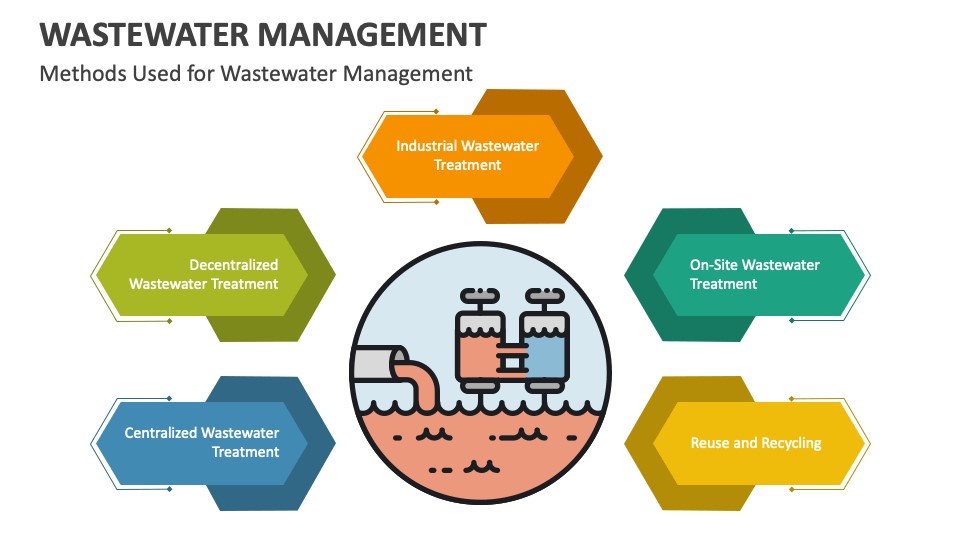
- Activated Sludge Process (ASP) – It is a common aerobic method involving removal of suspended solids and organic contaminants through the activity of microorganisms such as bacteria, fungi and algae.
- The Sequential Batch Reactor (SBR) – It is an advanced wastewater treatment process that operates in batch mode through sequential phases.
- Its operational flexibility makes it one of the highly used methods in sewage wastewater treatment applications.
- Up-flow Anaerobic Sludge Blanket (UASB) – It is a conventional method and it is low-cost and energy-efficient.
- Membrane Bioreactor (MBR) – It integrates biological treatment with membrane filtration and produces high-quality effluent suitable for reuse in industrial and non-potable applications.
- It is a suitable choice for industrial areas and high-value urban areas where the benefits of reuse outweigh the costs.
- Emerging Nano-technologies – Nano filters show promise in enhancing treatment efficiency, though they are still at an experimental stage in India.
What are the critical gaps and challenges?
- Enforcement gaps – The impact pf schemes has been constrained by gaps in enforcement, inadequate operation, and maintenance of treatment plants and fragmented governance.
- Lack of policies and plans – Only 11 out of 28 states have formulated wastewater reuse policies, and most lack clear roadmaps for implementation.
- Inefficient conventional methods – Most of these conventional methods of waste water treatment are less effective in handling complex industrial effluents and require a large space to operate.
- Issues with new technologies – High installation, continuous monitoring and high energy requirements and maintenance cost remains the major obstacle.
What measures can be taken?
- Comprehensive national mandate – The draft Liquid Waste Management Rules 2024, once operationalised, hold potential to standardise the treatment process and encourage reuse.
- Technological interventions – Particularly SBRs and MBRs, have shown promise in improving treatment efficiency and effluent quality.
- Public-private partnerships – It can also play a crucial role in financing and operating advanced treatment infrastructure.
- Nature-based solutions – It includes constructed wetlands, waste stabilisation ponds, and decentralised treatment plants, are being explored as cost-effective alternatives, particularly suitable for peri-urban and rural areas.
- Awareness – It is essential to overcome social resistance and build public trust in the safe use of treated wastewater, particularly for agricultural and non-potable uses.
What lies ahead?
- An integrated approach combining strong regulation, advanced technologies and promotion of water reuse will be essential for making wastewater management not just an environmental mandate but also a resource recovery opportunity for India’s future.
Reference
The Indian Express| Waste water management





 Loading Comments