Why in News?
A study by Christian Medical College (CMC) Vellore & London School of Hygiene & Tropical Medicine (LSHTM) highlights the high risk of scrub typhus infections in rural Tamil Nadu.
Key Findings of the Study
- Study Area - Rural areas of Tamil Nadu.
- Sample Size - 32,000 individuals.
- Incidence Rate - Nearly 10% of the population was infected annually over a 2-year study period.
- Severity of Cases - 8%-15% of infected individuals developed fever requiring hospitalization.
- Scrub typhus accounted for 30% of fever-related hospitalizations, making it the second most common cause after COVID-19.
- Five deaths recorded due to severe complications.
Scrub Typhus
- It is a severe infection caused by Orientia tsutsugamushi (a rickettsial bacterium).
- Vector - Infected larval mites (chigger).
- Mode of Transmission - Humans get infected through the bite of infected chiggers (mite larvae).
- The bacteria enter the bloodstream, causing systemic infection.
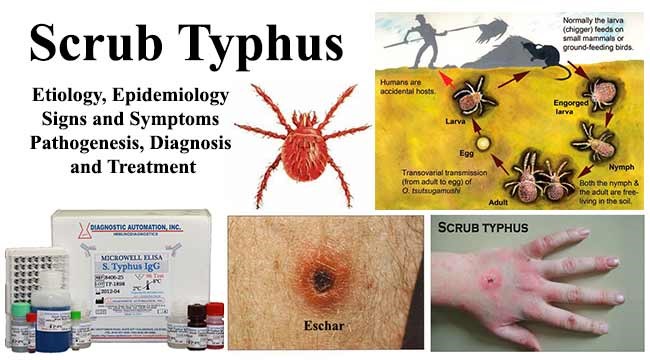
- Symptoms - Fever (develops about 10 days after infection), Headache and body aches, Rash, Eschar (black sore at the site of the chigger bite) – a crucial diagnostic sign.
- Complications - Acute Respiratory Distress Syndrome (ARDS) – severe lung infection.
- Meningitis – Inflammation of brain membranes.
- Multi-organ failure – Kidney, liver, and heart damage.
- Septic Shock – Life-threatening blood infection.
- Death - In severe cases if not treated properly.
- Treatment – Antibiotics - Doxycycline and Azithromycin are effective.
- Early treatment reduces complications and mortality.
- Prevention - No vaccine currently available.
- Avoid exposure to mite-infested areas (dense vegetation, bushes).
- Wear protective clothing and use insect repellents.
References
- DD News | Scrub Typhus Infections
- CDC | Scrub Typhus



