Prelims: Current events of national and international importance | Environment
Why in News?
Scientists have recorded the rare, solitary Himalayan bee Colletes Bhutanicus in Arunachal Pradesh for the first time.
- Colletes bhutanicus - Colletes bhutanicus is a solitary Himalayan bee.
- Unlike honeybees, Colletes bees generally do not live in large colonies or hives.
- Individual females typically construct and occupy their own nests.
- Despite being solitary, they are important pollinators.
- Key Facts
|
Feature
|
Details
|
|
Species
|
Colletes bhutanicus
|
|
Genus
|
Colletes
|
|
Type
|
Solitary bee
|
|
First Indian record
|
Tawang, Arunachal Pradesh
|
|
Elevation recorded
|
1,500–3,800 m
|
|
Previously known from
|
Bhutan and China
|
|
Major ecological role
|
Pollination
|
- Habitat - The bee was recorded in Tawang district of Arunachal Pradesh at elevations between 1,500 and 3,800 metres.
- Its occurrence in Tawang is significant because it extends the known distribution of the species into India and the eastern Himalayas.
- Bee Visiting Plants - Researchers observed C. bhutanicus visiting 25 species of flowering plants, including:
- Mustard
- Buckwheat
- Coriander
- Beans
- Chilli
- Eggplant
- This indicates that the bee interacts with both wild vegetation and cultivated crops.
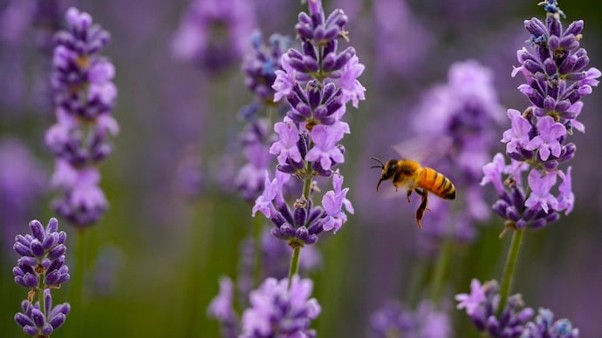
- Importance of Solitary Bees
- Solitary bees play an important role in pollination.
- While collecting pollen and nectar, they transfer pollen between flowers.
- This facilitates plant reproduction.
- They can contribute to the productivity of flowering crops.
- Native pollinators are particularly important for maintaining ecosystem functioning and agricultural productivity.
- Earlier Distribution of C. bhutanicus- Before its Indian record, the species was known from:
- Bhutan
- China, including the Xizang (Tibet) region
- Its presence in Tawang therefore adds India to its known geographical distribution.
Reference
India Today | Colletes Bhutanicus



