No First Use Nuclear Doctrine (NFU)
- Recently Defence Minister said that India’s ‘No First Use of Nuclear weapons’, in future depends on the circumstances.
- NFU is India’s commitment to not be the first to use a nuclear weapon in a conflict, doctrine adopted from 2003.
- NFU pledge is a component of a country’s nuclear declaratory policies.
- India will use Nuclear weapons only in retaliation against a nuclear attack on Indian territory or on Indian forces.
- According to the doctrine, Nuclear retaliatory attacks can only be authorised by the civilian political leadership through the Nuclear Command Authority.
- The Nuclear Command Authority comprises a Political Council and an Executive Council.
- The Political Council is chaired by the Prime Minister.
- India would not use nuclear weapons against non-nuclear weapon states.
- India would continue to put strict controls on the export of nuclear and missile related materials and technologies.
- India remains committed to the goal of a nuclear weapons free world, through global, verifiable and non-discriminatory nuclear disarmament.
- In the event of a attack against India, or Indian forces anywhere, by biological or chemical weapons, India will retain the option of retaliating with nuclear weapons.
- China declared its NFU policy in 1964, and has since maintained this policy.
Geographical Indication Tag (GI)
- The GI Tag under the Department for Promotion of Industry and Internal Trade (DPIIT) has recenly registered new GIs.
- ‘Tirur Betel vine’ from Kerala
- Tirur betel vine is mainly cultivated in Tirur, Tanur, Tirurangadi, Kuttippuram, Malappuram and Vengara block panchayaths of Malappuram district.
- It is valued both for its mild stimulant action and medicinal properties.
- It is commonly used for making pan masala for chewing.
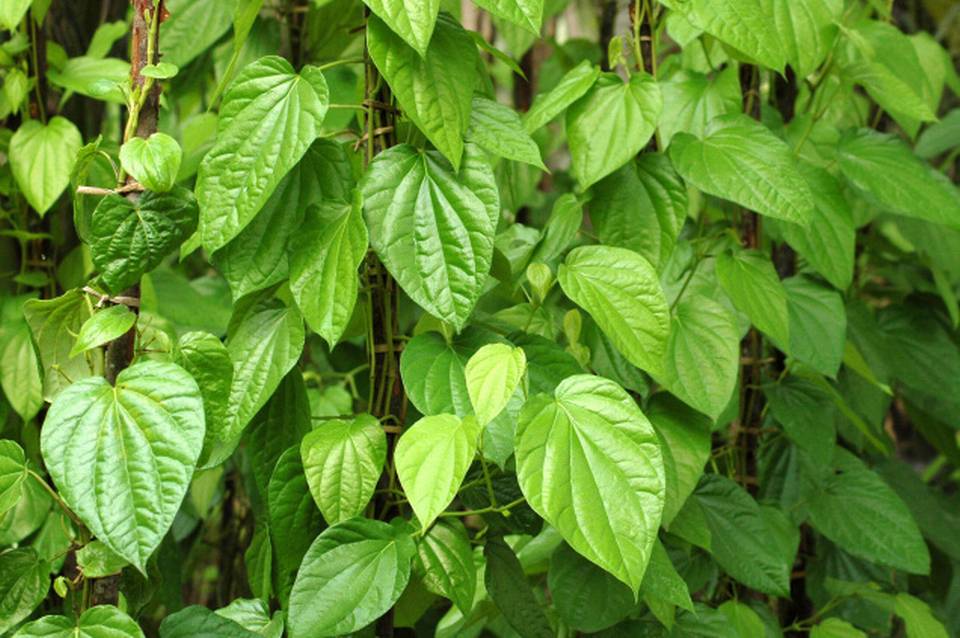
- It has many medicinal usages and is considered as a remedy for bad breath and digestive disorders.
- ‘Tawlhlohpuan’ of Mizoram
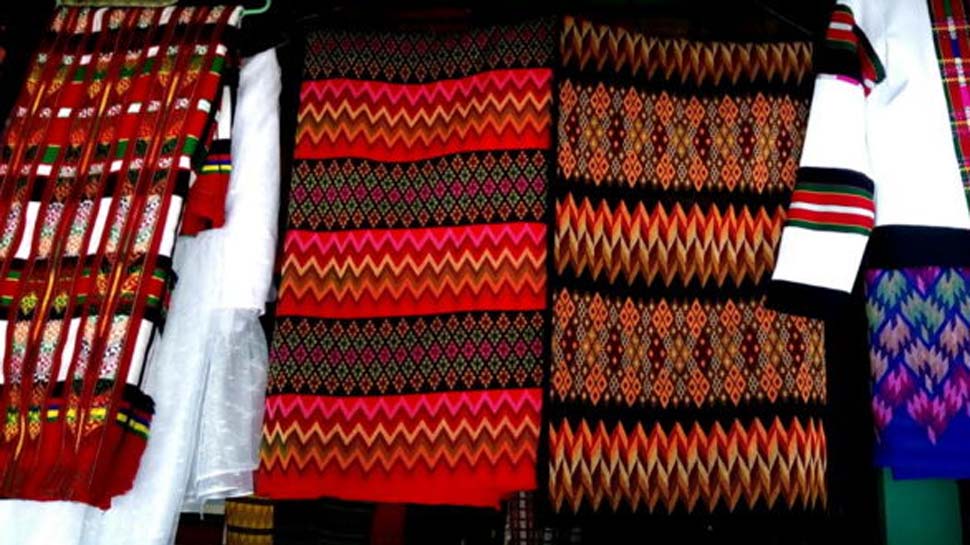
- It is a medium to heavy, compactly woven, good quality fabric.
- It is known for warp yarns, warping, weaving and intricate designs that are made by hand.
- Tawlhloh, in Mizo language, means ‘to stand firm or not to move backward’.
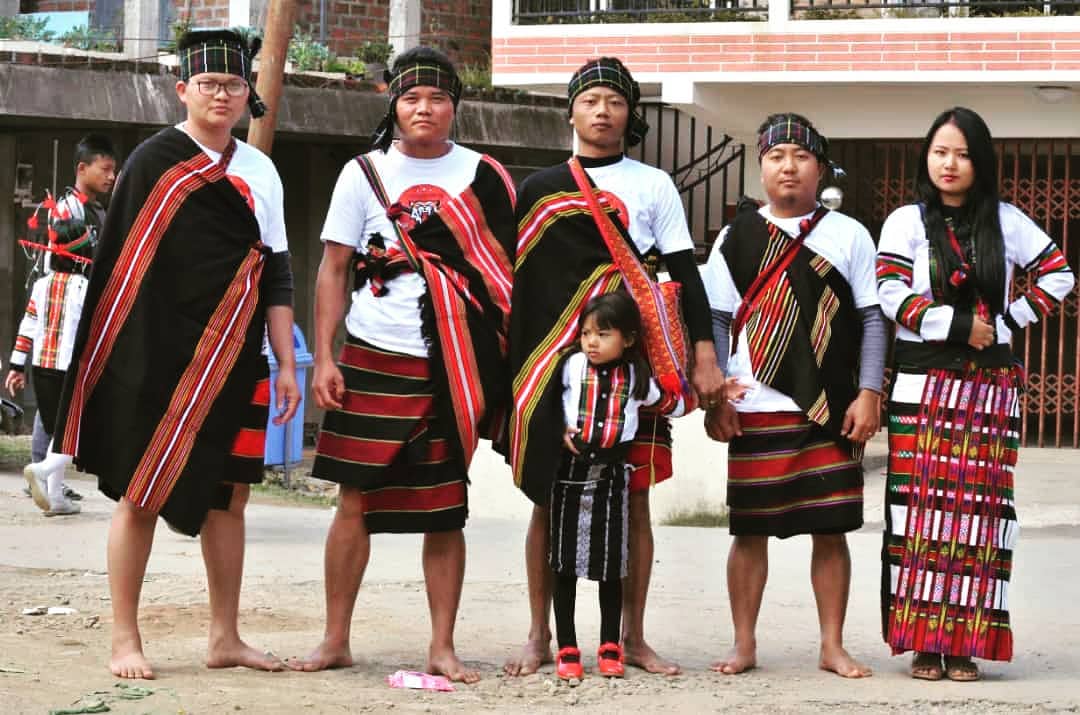
- It holds high significance in the Mizo society, is produced throughout the state of Mizoram.
- Aizawl and Thenzawl town are the main centre of production.
- It is a colourful Mizo shawl/textile, which is considered as the most colourful among the Mizo textiles.
- It is an essential possession for every Mizo lady and an important marriage outfit in the state.
- It is also the most commonly used costume in Mizo festive dances and official ceremonies.
- The weavers insert the designs and motifs by using supplementary yarns while weaving to create this beautiful and alluring textile.
KONKAN bilateral exercise
- It is an annual bilateral exercises between Indian Navy and Royal Navy of Britain.
- It is currently underway off the South Coast of UK.
- It aims to promote mutual understanding, provide exposure to operating procedures, communication measures and best practices.
- INS Tarkash, the Indian Navy's stealth frigate is exercising with the Royal Navy's, HMS Defender with integral helicopter Wildcat.
- The thrust of this year exercice is on Anti-Air warfare, Anti-Surface Warfare, Flying Operations and Seamanship Evolutions of varying complexities. \
INS Tarkash
- It is a state-of-the-art stealth frigate of the Indian Navy.
- It is the 5th Talwar-class frigate constructed for the Indian Navy, built at the Yantar shipyard in Kaliningrad, Russia.
- It is equipped with a versatile range of weapons and sensors capable of addressing threats in all three dimensions.
Source: PIB, The Indian Express


