Why in news?
The Ministry of Environment, Forest and Climate Change has notified the Plastic Waste Management (Amendment) Rules 2018.
What is the amendment about?
- In 2016, Union government implemented the Plastic Waste Management Rules and Solid Waste Management Rules.
- But the rules faced various challenges.
- Based on representations received from various stakeholders, MoEF&CC had constituted a committee to resolve such issues.
- The amendments are based on recommendations submitted to the Ministry.
What are the highlights?
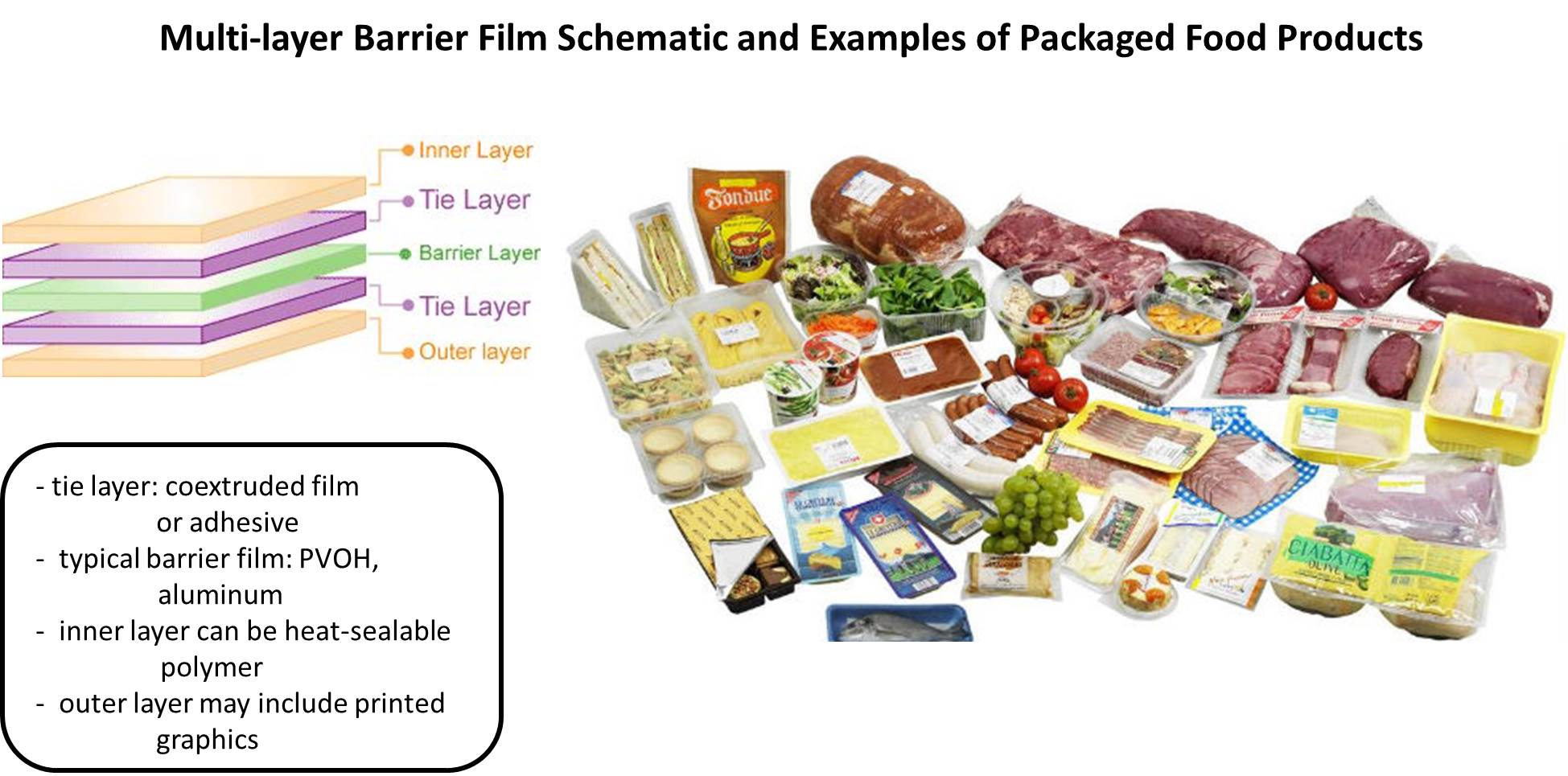
- The phasing out of Multi-layered Plastic (MLP) is now applicable only to MLP that are “non-recyclable or non-energy recoverable or have no alternate use”.
- MLP is most widely used in food packing Industries.
- The amended Rules prescribe a central registration system for the registration of the producer/importer/brand owner.
- The system will be evolved by the Central Pollution Control Board (CPCB).
- National registry has been prescribed for producers with presence in more than two states.
- A state-level registration has been prescribed for smaller producers/brand owners operating within one or two states.
- Any mechanism for the registration should be automated.
- It should take into account ease of doing business for producers, recyclers and manufacturers.
What are the shortfalls?
- Dilution - Many significant provisions of the earlier plastic waste management policy, 2016 have been discarded or diluted now.
- The Plastic Waste Management Amendment Rules 2018 has omitted the explicit pricing of carry bags mentioned in 2016 rule.
- MLP - Multi-layered plastics are supposed to be phased out.
- But these have been given a fresh lease of life by easing the norms concerned.
- Only MLP that are “non-recyclable or non-energy recoverable or have no alternate use” are to be phased out.
- This leaves hardly any category of multi-layered plastics to be phased out.
- Any product can be claimed to have some alternate use to escape the bar.
- Producers - The new norms seem to have been crafted with an eye on ease of doing business.
- This seems to be happening at the cost of the environment and public health due to plastic use.
- “Extended producer responsibility” bound plastic producers, importers and brand owners.
- They are required to ensure environmentally sound management of their products till the end of their useful life.
- The new policy is soft on “extended producer responsibility”.
What are the concerns with plastic toxicity in India?
- India is reckoned to generate over 25,000 tonnes of plastic waste every day.
- The residues can stain the environment and natural resources for hundreds of years.
- Plastic toxicity is known for its enduring adverse effects on territorial and aquatic life.
- In food, it can alter human hormones to cause major life-threatening diseases.
- Plastic materials, especially bags and bottles strewn on roads, have been noticed to cause flooding by blocking drains.
- They also kill stray cattle by choking.
What is the way forward?
- Plastics are not totally dispensable as their use seems desirable in certain situations.
- In fields like agriculture and automobiles, packaging, information technology and biomedical industries, they are relevant.
- But their non-degradability and emission of toxic gases on combustion and incineration are growing concerns.
- It is thus imperative to manage plastic debris appropriately.
- It would be advisable to reassess the new set of rules and switch back to the 2016 plastic waste management norms.
Source: PIB, Business Standard


